
Dream > I’m in a city, London, I guess, or Newcastle. I go out to explore. I’m fashionably turned out: long trench coat to my ankles, rucksack, boots, a scarf – all a bit space punk. It’s a rougher part of town, but I don’t feel threatened. I may talk to someone, and lo and behold, my rucksack is taken. I blame myself. I continue until, in a former department store, I see a pop-up fashion show or something like it. I entered. I remove my coat and never see it again.

There are female models, clothed in something fluffy and minimalist. I identify the show host and talk. I take an interest in it all. And before you know it, my wallet and phone are gone. I follow a thief outside who matter-of-factly feels no shame to show me several wallets, none of them mine. I feel a chump to have been taken in – bemused rather than upset.
JV ChatGPT Prompt > Use the Jungian dream analysis approach to help me interpret the following dream. Offer a series of context-specific prompts in the form of spiralling. I will provide my answers, and we will then continue eliciting my personal understanding of the dream.
Pass I
Your dream already carries a remarkably coherent symbolic structure. In Jungian terms, it appears less like a random anxiety dream and more like a staged initiation into a particular psychological territory: persona, value, seduction, naïveté, social identity, and the danger of unconscious participation.
The fact that you begin stylised is important. You are not merely “yourself” in the dream. You are consciously assembled. Curated. Almost mythologised.
And then, progressively, you are stripped.
Not violently.
Not traumatically.
But through participation.
That distinction matters enormously.
As Jungian dreamwork insists, we are not decoding symbols via a fixed glossary, but entering into a personal dialogue with the unconscious through spiralling exploration.
So let us begin not with conclusions, but with the first spiral.
I. Structural Orientation — The Shape of the Dream
The dream seems to move through four distinct phases:
Phase: Symbolic Movement
1. The constructed self enters the city
2. First loss: the rucksack
3. Seduction into the fashion/performance space
4. Final stripping: coat, wallet, phone
The emotional tone is also important:
- no terror
- no violence
- no panic
- increasing self-conscious foolishness
This is psychologically very different from a nightmare of persecution.
It feels closer to:
“I willingly entered a world whose rules I did not understand.”
II. First Spiral — Persona & The Fashioned Self
Your appearance is extraordinarily specific.
Not merely dressed. Styled. trench coat boots scarf “space punk”
This sounds archetypally liminal:
- traveller
- outsider
- urban wanderer
- artist/intellectual
- post-apocalyptic flâneur
- perhaps even a “cool survivor”
The city becomes the stage upon which this identity walks.
Prompts
- What age are you in this dream?
Not literally perhaps — but psychologically.
JV> late 20s or early 30s the age of Dane DeHaan in ‘Valerian’.
- Does this “space punk” version of you feel authentic, aspirational, ironic, theatrical, or defensive?
JV> how I dressed age 1983 age 21.
- Is this outfit designed:
- to express yourself?
- to protect yourself?
- to be seen?
- to disappear into a tribe?
JV> tribal, urban, macho to a degree.
- What feelings arise around the trench coat specifically?
Protection?
Mystery?
Style?
Masculinity?
Cinema?
Traveller?
Detective?
Exile?
JV> practicality, image, status, belonging.
- Is there any real-life period of your life associated with this aesthetic?
JV> 20s
III. Second Spiral — The City & The Underworld
This is not affluent London. Not institutional Newcastle.
It is the rougher district.
Yet:
“I don’t feel threatened.”
This is psychologically fascinating. You enter shadow territory voluntarily. Jung would immediately ask:
What part of you enjoys entering roughness while believing itself immune?
Because the dream quickly disproves this assumption.
Prompts
- What kind of “rough” did this area feel like?
Working-class?
Criminal?
Immigrant?
Bohemian?
Punk?
Derelict?
Post-industrial?
Temporary?
Youthful?
JV> bohemian, young male, art world, media, fashionable.
- What emotions do you associate with wandering cities alone?
JV> curiosity, finding the vibe.
- In waking life, where do you overestimate your ability to “read” social situations?
JV> not often. I don’t dress down, I dress to fit in or to role play.
- Did the theft feel personal?
Or almost inevitable?
Or even deserved?
JV> I should have known better. I’m Not that savvy.
- You say:
“I blame myself.”
Why?
That sentence matters greatly.
JV> I should have taken more care. I have had things taken in London – always surreptitiously, in that you should expect underhand behaviour.
IV. Third Spiral — The Department Store Transformation
This may be the dream’s symbolic centre.
A former department store.
Not a functioning one.
A dead temple of commerce transformed into:
- fashion
- performance
- display
- aesthetics
- femininity
- spectacle
- trend
Very contemporary symbolism.
A place once devoted to stable consumer identity has become temporary, performative, fluid.
And you enter willingly.
Prompts
- What feelings did the fashion event evoke?
Excitement?
Curiosity?
Sexual interest?
Social aspiration?
Intellectual fascination?
Alienation?
JV> it reminded me of a London Fashion Week event – invitations only to a niche show of dry ice, fleeting glympses of something wonderous, vibrant and young.
- The models are:
“fluffy and minimalist”
What does that combination mean to you personally?
Softness?
Artificiality?
Luxury?
Childlike femininity?
Emptiness?
Comfort?
JV> the model aesthetic. Nymph not numpehte. Youthful not young.
- Did you feel accepted there?
Or tolerated?
Or dazzled?
JV> accepted. I was a fit. I looked as if I belonged.
- The host recognises you—or you recognise them.
What was the emotional quality of that interaction?
JV> a meeting of worlds, maybe as a poet or musician, evocative of a similar local celebrity – within the context of the media and shows like this, like opening night of a film of state play.
- Does this environment resemble any real-world world you have brushed against?
Media?
Arts?
Academia?
Politics?
Fashionable intellectual circles?
AI/creative culture?
JV> London Fashion Week shows by the ouze, industry events in TV and advertising, a special showing of a film, or concert or play.
V. Fourth Spiral — Progressive Stripping
Notice the sequence:
Lost Object
Possible Function
Rucksack
provisions / identity / journey
Coat
outer persona / protection
Wallet
value / agency / status
Phone
connection / orientation / self-extension
This resembles symbolic dismemberment of modern identity.
And yet the thieves are strangely unemotional.
No melodrama.
Almost professional.
As though:
“Of course this happens here.”
Prompts
- What was inside the rucksack emotionally?
Not literally?
JV> nothing of consequence! Maybe newspapers of bubble wrap – it was a look.
- How did you feel once the coat disappeared?
Exposed?
Liberated?
Stupid?
Unimportant?
JV> I have lost a few good coats before and I never learned. I am too trusting. I hand over a coat, hang it up and should know if it will be covered.
- Which loss hurt most:
- bag
- coat
- wallet
- phone
Why?
JV> the phone mostly for the multitude of apps and services – though everything is backed up and the phone secure. I’m surprisingly unbothered. Maybe even I feel a release getting rid of these things.
- The thief calmly displaying wallets:
what feeling does that evoke?
Humiliation?
Initiation?
Absurdity?
Social commentary?
Class exposure?
JV> frustration at him and my and societies inability to tackle people like him – but do we make it too easy?
- Why does the dream end not with anger —
but with:
“I feel a right chump.”
That emotional register is psychologically precise.
JV> I am aloof, never threatened, know I won’t be physically harmed or shamed. Maybe I’m being reduced to fit in better. That these trappings of success and security are illusory.
VI. Provisional Jungian Tension
Very tentatively, the dream may concern a tension between:
Conscious Attitude
Unconscious Correction
“I can move fluently through worlds.”
“You may underestimate participation risk.”
“My style/awareness protects me.”
“Persona is not protection.”
“I can observe these spaces.”
“You become absorbed by them.”
“I understand the performance.”
“You are also performing.”
But we must not force interpretation prematurely.
The next stage depends entirely on your answers.
Answer freely and concretely — especially where you feel slight discomfort, embarrassment, contradiction, or surprise. That is usually where the dream becomes alive.
JV Prompt to ChatGPT: Extract and compile my answers to the prompts tagged JV> and write these up as coherent prose as if I am in an session with Jung himself; then offer a few carefully chosen context based additional questions to help elicit meaning.
PASS II
So let us begin not with conclusions, but with the first spiral. Here is the dream material drawn together.
In Session with Jung
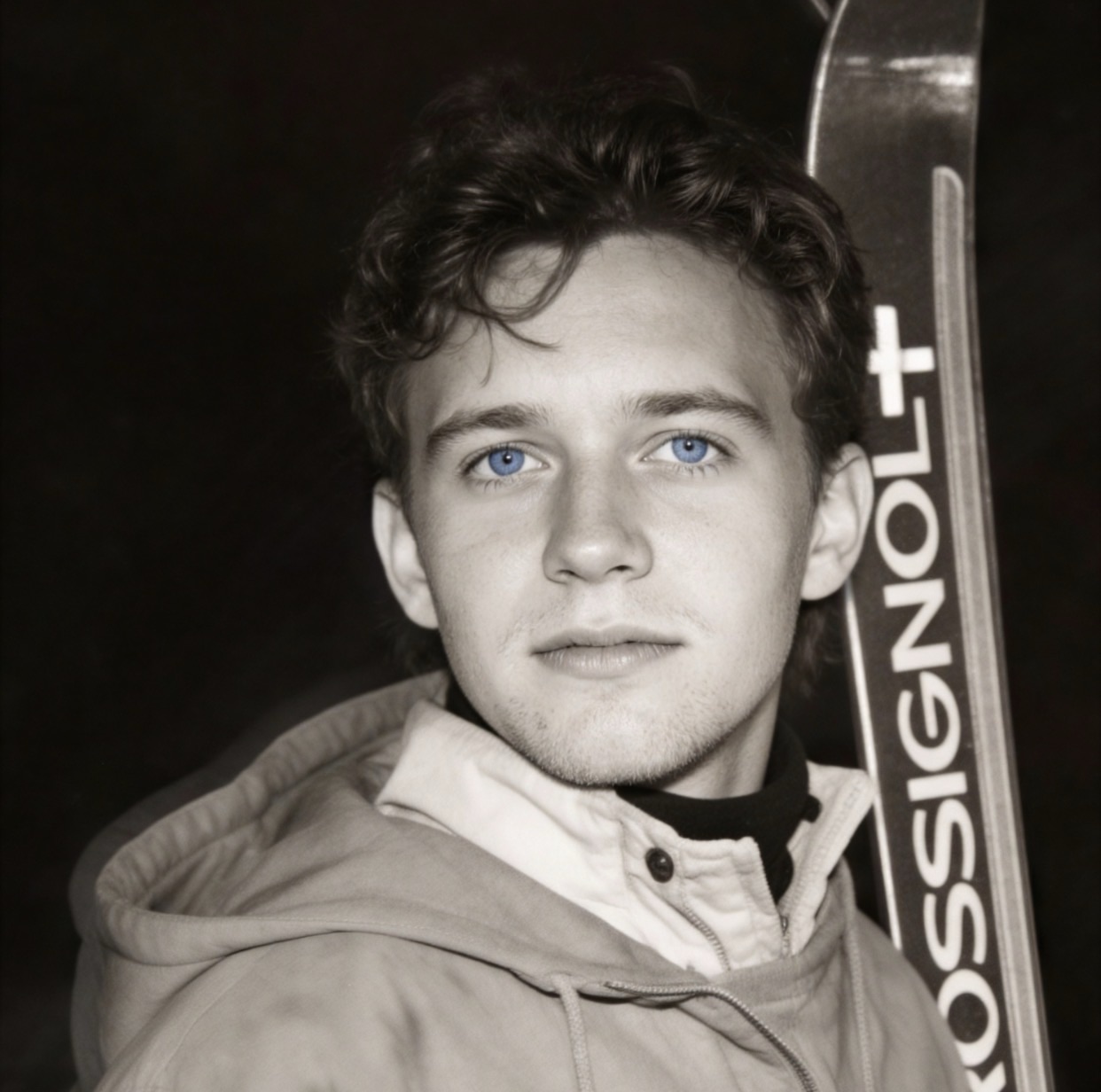
I appear in the dream as a younger version of myself: late twenties or early thirties, perhaps with something of Dane DeHaan in Valerian about me. Yet the clothing belongs even more specifically to 1983, when I was twenty-one. I am not merely dressed; I am styled. The long trench coat, boots, scarf and rucksack are tribal, urban, macho to a degree. The trench coat carries practicality, image, status and belonging. It is my twenties, or the image-world of my twenties, reappearing.
I enter a rougher part of the city, but not a threatening one. It feels bohemian, young male, art-world, media, fashionable. I associate wandering cities alone with curiosity: finding the vibe. I do not usually think I overestimate my ability to read social situations, but I do dress to fit in, or to role-play. Here I should have known better. I am not that savvy. I blame myself because I should have taken more care. I have had things taken in London before, always surreptitiously. There is a part of city life where one should expect underhand behaviour.
Then the dream shifts into the former department store. This reminds me of a London Fashion Week event: invitation-only, niche, dry ice, fleeting glimpses of something wondrous, vibrant and young. The women are “fluffy and minimalist”: the model aesthetic. Nymph, not nymphette. Youthful, not young. I feel accepted. I am a fit. I look as if I belong.
The host suggests a meeting of worlds: perhaps poet, musician, local celebrity, media person, someone belonging to openings, shows, film nights, concerts, plays. It recalls London Fashion Week shows by Ouze, industry events in television and advertising, a special showing of a film, concert or play. The dream places me in a world I have brushed against before: creative, performative, seductive, stylish, slightly exclusive.
Yet the rucksack has already gone. Emotionally, it contained nothing of consequence — maybe newspapers or bubble wrap. It was a look. The coat too disappears. I have lost good coats before and never learned. I am too trusting. I hand over a coat, hang it up, and should know whether it will be covered.
Of all the losses, the phone matters most, because of its multitude of apps and services, though everything is backed up and secure. Strangely, I am surprisingly unbothered. Perhaps I even feel a release in getting rid of these things.
The thief outside, calmly showing me several wallets, evokes frustration: frustration at him, at myself, and at society’s inability to tackle people like him. But perhaps we make it too easy. The dream ends not in rage or fear but in the feeling that I am “a right chump.” I remain aloof, never threatened, knowing I will not be physically harmed or shamed. Perhaps I am being reduced to fit in better. Perhaps these trappings of success and security are illusory.
Emerging Jungian Reading
The dream does not simply punish you for vanity. It is subtler than that. It presents a persona that once worked: the stylish urban creative male, equipped with coat, rucksack, boots, scarf, status, taste and apparent social fluency.
Then the dream removes each layer.
The striking point is that nothing essential is taken.
The rucksack is mostly appearance.
The coat is image and belonging.
The wallet is status and access.
The phone is connection and modern dependency.
Yet when they go, you are not destroyed. You are reduced, but perhaps also relieved.
The dream may be asking:
What remains of me when the look, the kit, the access, the devices and the signals of belonging are stripped away?
There is also an initiation quality. You enter the fashionable underworld believing you can read it. The unconscious replies: you can enter, yes, but you cannot remain merely an observer. The moment you participate, the world takes something from you.
Next Spiral — Questions
- When you say, “Maybe I’m being reduced to fit in better,” fit in with whom: the thieves, the models, the younger men, the city, or your own deeper self?
JV> it is in part diminishing: I fit best when I don’t try to look the part and don’t have money or wherewithal.
- What did the 21-year-old version of you believe clothes, style, wit or cultural fluency could protect him from?
JV> it wasn’t protection so much as aspiring to belong to a professional media crowd as was the case in my Carnaby Street / Soho / Covent Garden days.
- Is the dream warning against naïveté, or inviting you to relinquish unnecessary armour?
JV> I don’t need or could repest that look so I shouldn’t try.
- The women are youthful, aesthetic, almost nymph-like. Are they anima figures, or are they part of the same seductive surface-world as the coat and fashion show?
This question needs slowing down, because in Jungian work the distinction is profound.
The feminine figures in dreams can appear in at least two very different ways:
Type
Psychological Function
Anima figure
A carrier of psychic depth, vitality, feeling, soul, transformation
Surface-world feminine
Aesthetic seduction, projection, glamour, social desire, status-performance
Sometimes they overlap. Sometimes the dream deliberately confuses them.
So rather than deciding too quickly, sit inside the atmosphere of the women and the fashion space.
Expanded Spiral
The women are not sexualised in a crude sense. They are described as:
- fluffy
- minimalist
- youthful
- aesthetic
- nymph-like
This is highly stylised femininity.
But Jung would immediately ask:
Are they alive as individuals —
or functioning as part of the dream’s visual language of allure, exclusivity and immersion?
In other words:
Were these women:
- psychologically meaningful presences?
or - part of the “spell” of the environment?
Did they feel:
- warm?
- soulful?
- emotionally available?
- curious about you?
- grounded?
- human?
Or were they more like:
- embodiments of taste?
- symbols of youth?
- moving artwork?
- social atmosphere?
- creatures of aesthetic performance?
Another way of asking this:
If one of these women had quietly stepped away from the show and spoken honestly with you in an empty corridor or stairwell —
would the glamour have fallen away,
or would she have become more real?
And another:
Did the women deepen the dream —
or distract you from noticing what was being taken from you?
Because the timing matters:
you become absorbed by the fashion-performance world at precisely the moment you are progressively stripped of possessions and protections.
So perhaps the deeper question is not:
“Were the women deceptive?”
But:
“What kind of femininity is my psyche presenting here?”
Is it:
- the eternal youthful muse?
- creative anima energy?
- urban glamour?
- nostalgia for youthful belonging?
- aesthetic intoxication?
- a world where appearance replaces rootedness?
- or a genuine invitation into another mode of being?
And finally, perhaps the sharpest Jungian question:
If all the models, lights, fashion and atmosphere vanished —
would anything emotionally real remain between you and these women?
JV> the hostess is an animal figure. It is her event, her imagination on show. We know each other, we are part of a similar circle however tangential I may be to her.
The nymphets are just that: characters in the tableau. Youth personified – the next generation perhaps.
- What would have happened if, after losing everything, you simply stayed in the city and continued walking?
JV> at first I would blend in more but never take up theft. The loss of items could continue not by others taking things or me carelessly putting them down, but by my leaving the city, following a river out into the country and removing most of my clothing until I am naked or close to nude by a mountain brook or on a deserted beach.
PASS III
What now emerges is not merely a dream about theft, but a dream about voluntary reduction — perhaps even a movement toward psychic simplification.
Compiled Reflections
When I say I am “being reduced to fit in better,” I realise that this reduction is partly a diminishing. I fit best when I am not trying to look the part and do not possess too much money or visible wherewithal. The stylishness itself becomes slightly suspect.
The younger version of myself — the twenty-one-year-old of Carnaby Street, Soho and Covent Garden — did not use clothes or cultural fluency as protection so much as aspiration. I wanted to belong to a professional media world: creative, urban, stylish, culturally alive. The trench coat, boots and curated appearance were badges of hoped-for membership.
Now I recognise that I neither need nor could convincingly repeat that look. I should not try.
The hostess of the fashion event feels distinct from the models. She is an anima figure. It is her event, her imagination being expressed. We know one another, or belong to adjacent circles, however tangentially. There is recognition there: creative recognition.
The younger women themselves are different. They are not fully individualised figures but part of the tableau — embodiments of youth, beauty, atmosphere, “the next generation” perhaps. They are characters within the spectacle rather than carriers of deep emotional reality.
When I imagine remaining in the city after the losses, the dream changes direction. At first I blend in more. Yet I do not descend into criminality or imitation. Instead the stripping continues voluntarily. I leave the city by following a river outward into the countryside. More possessions and clothing are shed, not through theft but through relinquishment, until I am almost naked beside a mountain brook or on a deserted beach.
Jungian Reflection
At this point Jung would likely become very interested in the river.
Because the dream’s symbolic movement has changed completely.
The first half of the dream concerns:
- persona
- style
- tribe
- belonging
- urban identity
- glamour
- participation in collective aesthetic worlds
But the continuation you spontaneously imagine moves toward:
- nature
- solitude
- water
- nakedness
- simplicity
- voluntary renunciation
This is an immense symbolic shift.
The unconscious appears to say:
What begins as humiliating loss may conceal a movement toward essence.
And notice carefully:
you do not become degraded.
You become lighter.
The psyche does not lead you into violence, addiction, criminality or despair after the stripping-away. Instead it leads you toward river, brook, beach, mountain water — all classic Jungian symbols of psychic renewal and contact with the deeper self.
The city removes identity through participation.
Nature removes identity through surrender.
Those are psychologically opposite processes.
The dream therefore seems increasingly less like:
“I was robbed.”
And more like:
“Something false, outdated or overconstructed was being removed.”
Not because your younger self was fraudulent — far from it. The Soho/Carnaby Street phase appears psychologically real and developmentally necessary. It gave you entry into worlds of creativity, style, media, performance and eros.
But the dream may be recognising that this identity has become archival rather than alive.
The anima hostess is especially important here.
You distinguish her immediately from the youthful models. That distinction is psychologically sophisticated. The hostess creates the event; the younger women populate it. She is imagination, authorship, aesthetic intelligence. They are atmosphere.
That suggests the dream is not rejecting femininity or creativity at all. Rather, it differentiates:
- deep creative feminine energy
from - glamour as perpetual youth-performance.
That is a major Jungian distinction.
The Deeper Pattern Emerging
The symbolic trajectory now looks something like this:
Phase
Psychological Movement
Styled urban self
Constructed creative identity
Theft
Involuntary stripping
Fashion world
Seduction of belonging/image
Chump feeling
Recognition of naïveté
River departure
Withdrawal from performance-world
Gradual undressing
Voluntary relinquishment
Brook/beach
Return to elemental self
The dream may therefore contain not humiliation —
but initiation.
Not:
“You are ridiculous.”
But:
“You no longer need so much scaffolding between yourself and the world.”
Remaining Questions
- When you picture yourself nearly naked beside the brook or beach, do you feel:
- vulnerable
- peaceful
- youthful
- timeless
- ashamed
- purified
- sexually alive
- spiritually alive
JV> at peace, contemplative.
- Does the river lead away from society —
or toward something more real than society?
JV> it’s part of the landscape and history – it has flowed like this for centuries and is indifferent to the machinations of people and city dwellers.
- The city-self seeks belonging through style and fluency.
What does the nearly naked self seek?
JV> honesty, isolation, contemplation…
- Is there grief in relinquishing the Soho/Carnaby Street self — or relief?
JV> none, that was the past where I once belonged and may still visit.
- If the anima hostess appeared again beside the river rather than in the fashion show, how would she differ?
JV> she’d take my hand. She’d recognise that in the city we were playing a game. Here we can be more raw, closer to nature.
PASS IV
Compiled Reflections
When I imagine myself nearly naked beside the brook or beach, I do not feel ashamed or exposed. I feel peaceful and contemplative.
The river itself feels older and more real than society. It belongs to the landscape and to history. It has flowed this way for centuries, indifferent to the machinations of people, fashion, cities and social performance.
The city-self sought belonging through style, fluency and appearance. The nearly naked self seeks honesty, isolation and contemplation.
There is no grief in relinquishing the Soho or Carnaby Street self. That belonged to another time. It was real then. It may still be visited. But it no longer needs to be inhabited.
And if the anima hostess appeared beside the river rather than within the fashion event, she would change too. There she would take my hand. She would recognise that in the city we were playing a game. Beside the river we could become more raw, closer to nature.
Jungian Summary
What has emerged through this spiralling process is remarkably coherent.
The dream begins not in crisis but in persona.
You enter the city clothed in a carefully assembled identity:
- aesthetic
- urban
- culturally literate
- masculine
- performative
- belonging-oriented
This is not a false self exactly. Jung would be careful here. The persona is necessary. It is the social face through which we enter the world. Your Soho/Carnaby Street years were psychologically real and developmentally important. They connected you to creativity, eros, media culture, possibility and aspiration.
But the dream asks a decisive question:
What happens when the persona outlives its necessity?
The unconscious answers not through condemnation, but through subtraction.
First the rucksack goes — but it contained almost nothing emotionally substantial.
Then the coat — image, status, belonging.
Then wallet and phone — modern identity, access, extension into networks and systems.
Yet at no point do you become terrified.
This is crucial.
Because the psyche is not depicting annihilation. It is depicting reduction.
And gradually the dream reveals: reduction is becoming release.
The Two Worlds
By the end of the exploration, two symbolic worlds stand clearly opposed.
City World
River World
Style
Simplicity
Performance
Presence
Belonging
Being
Persona
Essence
Glamour
Nature
Spectacle
Contemplation
Youthful aesthetic
Timeless landscape
Social fluency
Silence
Yet the dream does not demonise the city.
This is psychologically mature.
The fashion world is not portrayed as evil. In fact, you are welcomed there. You belong there. The anima hostess herself originates there. The city represents one authentic phase of life and psyche.
But it is no longer the final destination.
The great symbolic turning point occurs when the stripping ceases to be imposed by thieves and becomes voluntary beside the river.
The axis of the dream.
At first: the world removes things from you. Later: you relinquish them yourself.
That movement from involuntary loss to conscious surrender is profoundly Jungian.
The Anima Transformation
The feminine figure undergoes an equally important transformation.
In the city:
- she is aesthetic
- socially situated
- part muse, part hostess
- orchestrator of atmosphere and imagination
But beside the river:
- she becomes relational
- grounded
- intimate
- natural
- emotionally real
Most importantly: she takes your hand.
This is a major symbolic shift.
The anima no longer mediates through glamour, exclusivity or spectacle. She mediates through companionship and shared recognition.
Her implicit message is beautiful in its simplicity:
“In the city we were performing. Here we can simply be.”
Jung would likely regard this as movement toward a more integrated relationship between:
- creativity
- eros
- nature
- ageing
- authenticity
- and solitude.
Concluding Thought
The dream appears to describe neither failure nor humiliation, but transition.
Not:
“You were foolish to become that man.”
But:
“You no longer need to remain him.”
The younger urban self remains part of your history. You may still “visit” him, as you say. But the psyche no longer centres identity there.
Instead it leads toward something older than fashion and older than persona:
- river
- stone
- brook
- nakedness
- contemplation
- hand-in-hand companionship
- and a self no longer needing to signal belonging because it already belongs to the world itself.
This is not regression.
It feels much closer to simplification after complexity — a movement from performed identity toward essential identity.


Leave a Reply