What’s one thing you know now that would have saved your younger self a lot of pain?

Emotional intelligence. More specifically, learning to recognise, understand and manage my emotional responses rather than simply acting on them.
As a boy and young man, I was impulsive, spontaneous, enthusiastic and adventurous. These were attractive qualities, and I wouldn’t want to have lost them. They made me sociable, curious, willing to take risks and eager to embrace whatever opportunity came my way. But there was another side to this impulsiveness that I didn’t recognise at the time.
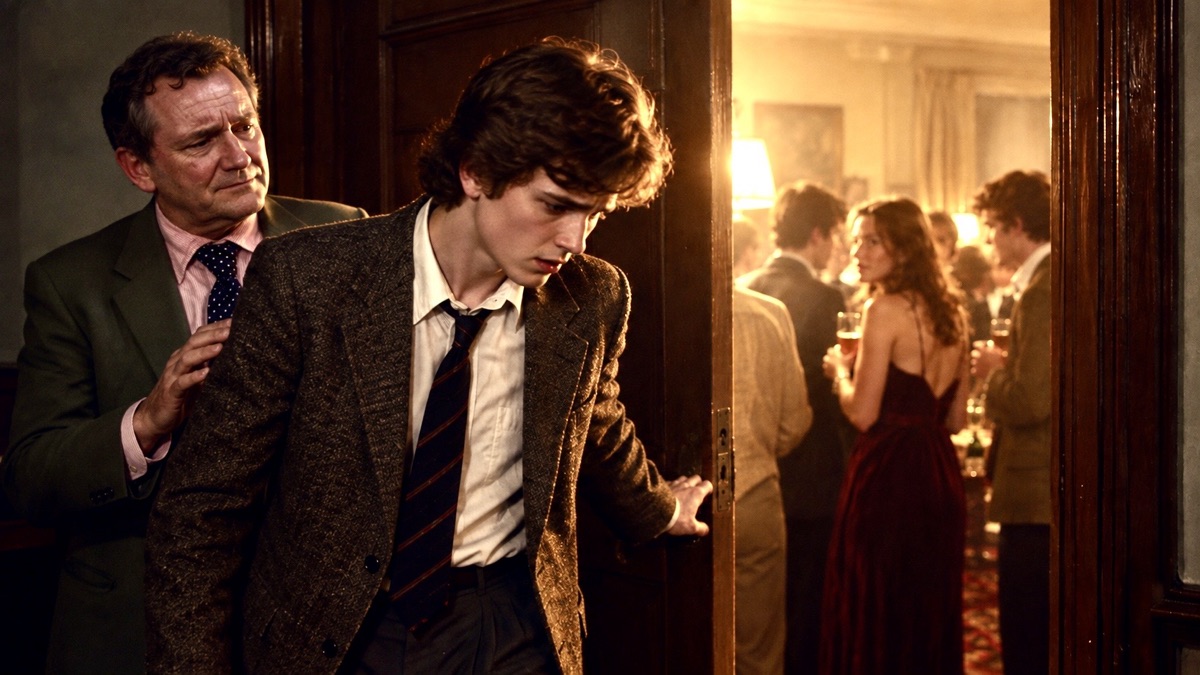
What looked like spontaneity was sometimes a flight response. When a person, situation or emotion made me uncomfortable, my instinct was to move on. Change the subject, change the company, change the circumstances, find a new distraction, a new enthusiasm, perhaps even a new relationship. Anything rather than remain with the discomfort long enough to understand what was happening.
I could be extraordinarily confident in approaching people, yet surprisingly ill-equipped to deal with the emotional complexity that followed. I wanted to be liked, wanted to please, wanted to belong, but also wanted the freedom to do precisely as I pleased. When these desires collided, I didn’t always handle the consequences particularly well.
Looking back through my teenage diaries, I can see this pattern emerging repeatedly. The restless pursuit of experience, the excitement of new friendships and romantic possibilities, the sudden shifts in attention and affection. What I interpreted as independence or a determination to make the most of life could sometimes be an inability to tolerate uncertainty, rejection, embarrassment or emotional vulnerability.
What would have saved me considerable pain was understanding that an uncomfortable feeling isn’t necessarily a signal to escape. Sometimes it’s an invitation to stay, listen, reflect and work something through.
I would tell my younger self to distinguish between the impulse to act and the wisdom of acting. To recognise that feelings are real, but they aren’t instructions. That another person’s response isn’t necessarily a judgement on my worth. That difficult conversations are generally better than disappearing acts. And that the exhilaration of something new doesn’t automatically make it preferable to something familiar.
Above all, I would want him to understand that emotional intelligence isn’t about suppressing spontaneity, enthusiasm or sensitivity. It’s about learning to live with those qualities without being governed by them.
I’d still want to be that adventurous, curious, occasionally reckless young man. Just one who knew when to stay put.


Leave a Reply