What does it mean to be a good person?

What Does It Mean to Be a Good Person?
My grandfather offered me a piece of advice that has stayed with me throughout my life: “Never knowingly cause someone hurt.”
It is a deceptively simple moral principle. No commandments, no elaborate ethical framework, no promise of divine reward or threat of punishment. Just an expectation that we should consider the consequences of our actions for others.
The word knowingly matters. We cannot go through life without occasionally upsetting, disappointing or hurting someone. We make mistakes, misunderstand intentions and sometimes discover too late that something we said or did caused pain. But we can choose not to be deliberately cruel. We can try to be considerate, empathetic and aware of the impact we have on other people.
My mother was a practising Christian. For her, being a good person meant behaving in a Christian way. It was less about declaring one’s faith than demonstrating it through actions: kindness, generosity, forgiveness, compassion and a willingness to help others.
Although I did not follow her religious convictions, I absorbed much of her moral outlook. I became agnostic and then atheist in my teens, but rejecting religious belief did not mean rejecting the ethical principles I had been brought up with. Quite the opposite. I came to believe that we have an obligation to behave decently towards others, not because God requires it, but because our shared humanity demands it.
Over the years, however, my understanding of what it means to be good has expanded.
Why should goodness stop at the boundaries of our own species?
We inhabit a living planet, sharing it with millions of other species. Trees, birds, insects, mammals, fungi and the countless organisms in our soils and oceans are not simply resources for human exploitation. They are participants in an extraordinarily complex web of life upon which we depend.
If I believe it is wrong knowingly to cause another person harm, surely I should also question the harm I knowingly cause to other living things, their habitats and the ecosystems that sustain us all.
This is not straightforward. Simply existing as a human being involves consuming resources, disturbing habitats and leaving an environmental footprint. As with my grandfather’s advice, absolute innocence is impossible. What matters is awareness, intention and a willingness to change our behaviour.
My involvement in environmental campaigning and local government has strengthened this conviction. Advocating for trees, rivers and biodiversity, sustainable transport and action on climate change is not simply a matter of political preference. For me, it is an expression of an ethical responsibility.
I have become increasingly interested in the idea that nature possesses rights of its own, independent of its usefulness to humanity. A tree should not have to justify its existence by the carbon it captures, the shade it provides or the value it adds to a property. It has its own place in the living world.
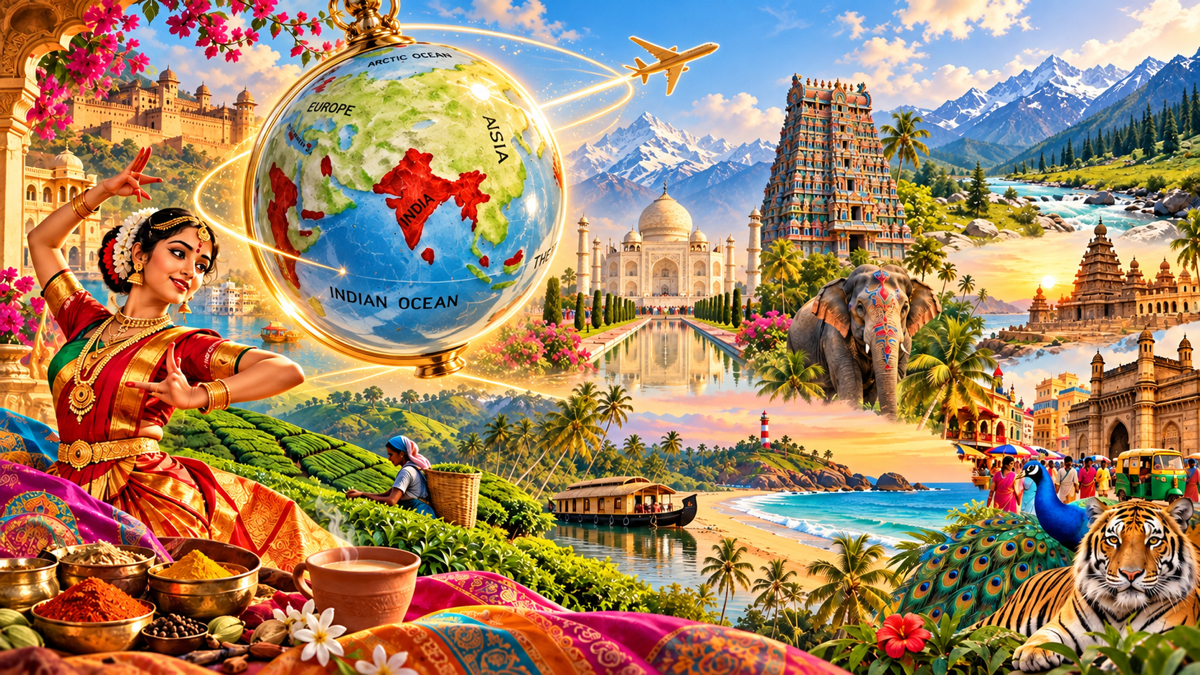
Perhaps this is where the ancient idea of Mother Earth becomes meaningful.
I am not religious, and I don’t imagine the Earth as a conscious maternal figure. Yet the metaphor captures something important. We are not separate from nature, standing above it as owners and managers. We are its children, dependent upon it for everything. Our bodies are made from its materials; the air we breathe, the water we drink and the food we eat come from the same planetary systems that sustain every other living creature.
Calling her Mother Earth might encourage us to think less about ownership and more about care, gratitude and reciprocity.
There is another dimension to being good: our responsibilities towards people we will never meet.
Climate change and ecological destruction mean that our decisions today will affect generations not yet born. They cannot vote, protest or challenge us. They must live with the consequences of what we do now.
As a parent, an educator and someone who has spent much of his life thinking about the future, I find that particularly compelling. Being a good person cannot be confined to kindness towards those immediately around us. It must include consideration for those who come after us.
I certainly cannot claim to have lived consistently according to these principles. I have hurt people, made poor decisions, been thoughtless and allowed convenience or personal ambition to override what I knew was right. Recognising these failures is part of understanding what goodness demands.
Perhaps being a good person is not a state we achieve, but something we practise, imperfectly, throughout our lives.
My grandfather gave me the starting point. My mother demonstrated how moral convictions might be expressed in everyday behaviour. My own experiences have persuaded me to extend their wisdom beyond our species.
Never knowingly cause harm. And where possible, do some good.
Not just for other people, but for the extraordinary living planet we share.
Mother Earth, if you like.

Leave a Reply