🎬 First Light: Testing AI Video with The Watersprites
Posted in: StoryLab, Behind the Scenes
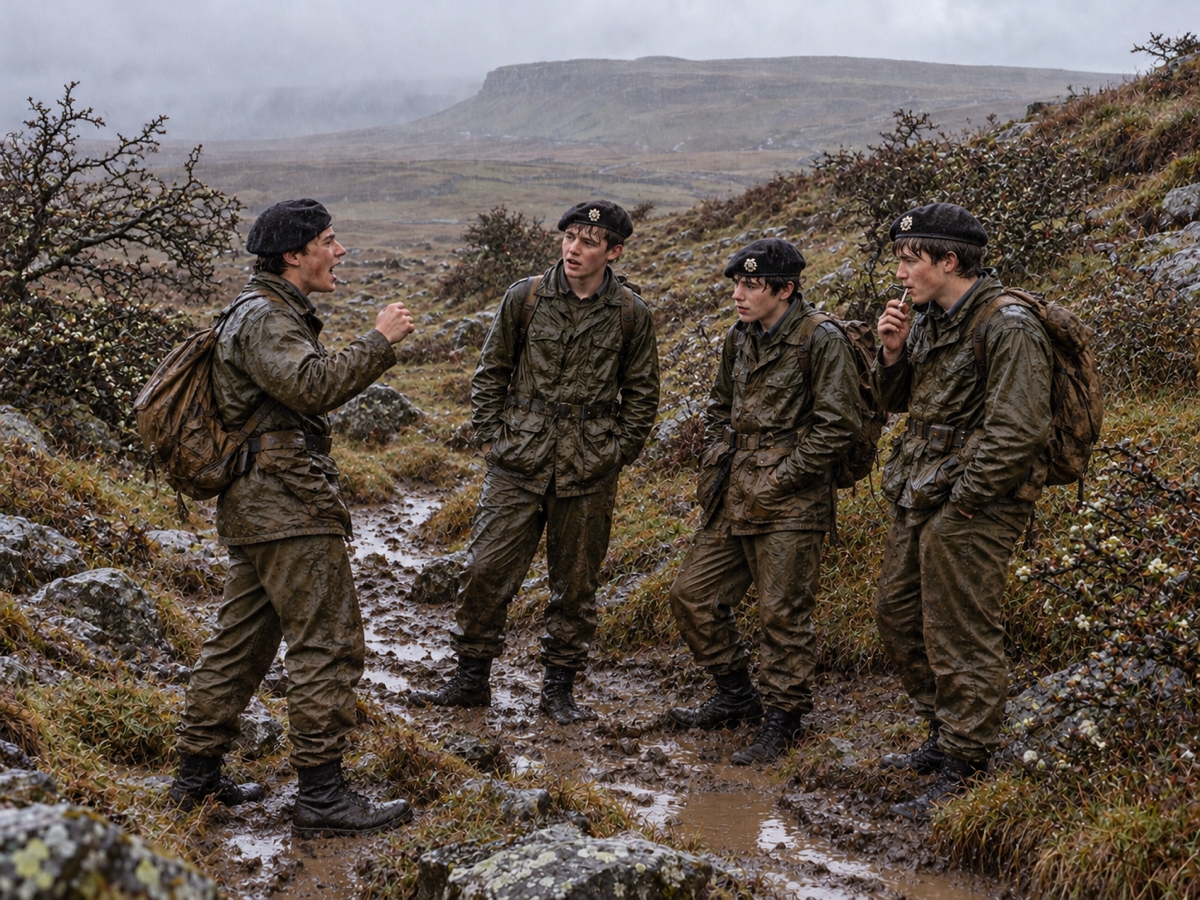
You’re looking at a 5-second glimpse into the world of The Watersprites—a test scene generated with Google’s new Veo 3 platform. This is not a final product. It’s the first in a series of experimental trials to explore what this next-generation AI video tool can (and can’t) do.
I’m testing:
- Narrative fidelity: Can Veo3 bring to life the tone, pacing, and mood of my prose?
- Visual quality: Does it evoke the otherworldly stillness of the High Pond?
- Sound & movement: Can it handle subtlety—mist, breath, ripple—not just spectacle?
- Cost vs Value: At £250/month, Veo 3’s Ultra plan isn’t cheap. I need to know what it earns creatively.
Over the next few weeks, I’ll be trying more scenes—from quiet, uncanny encounters to moments of transformation. Think of these as animated concept sketches rather than finished illustrations.
Your feedback will help shape how (or if) I use this technology to support the Watersprites narrative visually. Let me know:
🔸 Does the mood feel right?
🔸 What moment would you want to see visualised next?
Thanks for watching—and stay tuned. This is just a ripple. A mindburst.
On Consistency, Characters, and Creative Control
Testing Veo 3 – Thoughts from the Edge of the Pond
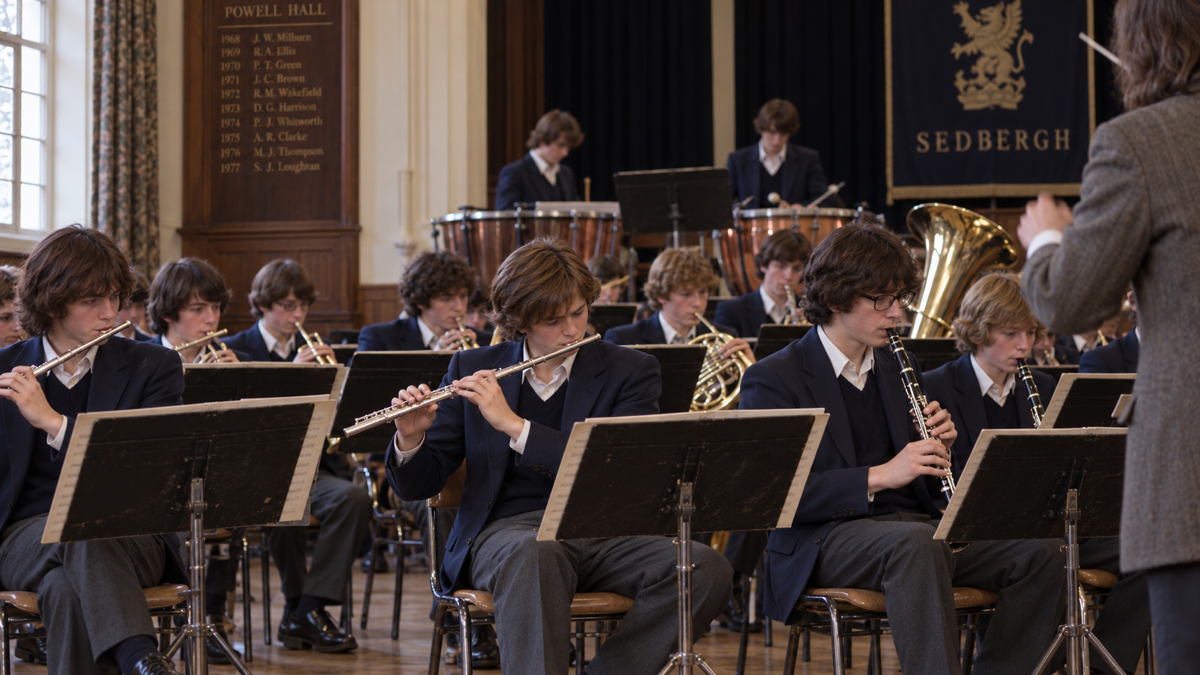
As I explore the visual adaptation of The Watersprites using AI video tools like Veo 3, one of the biggest challenges I’ve hit is consistency—particularly when it comes to character portrayal.
Jason, Beth, Freya, and Hersch are vivid in the text. But each time I generate a scene—whether as a still or a short animation—I risk ending up with slightly (or wildly) different versions of them. Faces shift. Costumes change. Even fundamental visual tone can waver depending on how the model interprets the prompt.
This gets especially frustrating when:
- I’ve invested effort into a specific image I’m happy with, only to find the animation tool ignores it.
- Each new generation introduces variation rather than evolution—great for experimentation, terrible for story continuity.
- I want to reuse character imagery across multiple episodes or scenes, but the tool lacks memory or identity anchoring.
What I need is the ability to:
- Lock in a visual identity—a specific still image that defines the character’s look.
- Animate from that image, not just from text.
- Reuse that same character model in different scenes and contexts without regeneration drift.
Right now, Veo 3 doesn’t offer that level of control—not at the Pro level, and not even reliably at the Ultra level.
For a story like The Water Sprites, which is deeply character-led, this is more than a technical hiccup. It’s a creative tension point.
But this is also the frontier.
So, I’ll keep testing. Carefully. Deliberately. Looking for ways to work around the gaps—and where needed, returning to still imagery until the tools can catch up with the storytelling.
🔍 My Needs (Summarised)
You’re looking for:
- Stable, repeatable character portrayal (Jason, Beth, Freya, Hersch)
- Text-to-video with continuity, ideally from a locked visual reference
- Scene-by-scene control, ideally with some form of editing or extension
- Enough runtime for iterative storytelling
- Good cost-to-output ratio (I’m testing viability, not running a studio)
🧾 Plan Analysis (Based on Your Screenshot)
| Plan | Yearly Cost | Credits | Video Features | Best For |
|---|---|---|---|---|
| Free | $0 | 20 | 1080p, 10s clips, limited generation | First test only |
| Basic | $239.90 | 13,000 | 720p, 30 min/month, basic tools | Small volume, lower quality |
| Pro ✅ | $335.90 | 39,000 | 1080p, 120 min/month, advanced tools | ✅ Best match for creative prototyping |
| Enterprise | $863.90 | 130,000 | Team tools, branding, white-label etc. | Overkill unless you’re running a studio |
✅ Recommended: Professional Plan – $335.90/year (~$28/mo)
This gives you:
- 1080p output (key for maintaining visual quality)
- Advanced editing tools (better control over clips, pacing, potentially reuse of templates)
- 120 minutes per month (~720 short clips if each is 10s, or ~24 x 30s videos)
- Commercial use license (futureproofing if you monetize)
- Priority support (for when the inevitable bugs or visual drift arise)
This plan gives you enough room to:
- Refine your key character visual language through iteration
- Develop a set of repeatable visual motifs (mist, light on water, forest atmospheres)
- Begin building scene-based continuity in short-form sequences
🧠 Tips for Character Consistency
Even with the Pro plan, Veo (or other AI tools) won’t automatically remember a character across clips. Here’s how to simulate visual continuity:
- Create Character Reference Sheets: Generate stills of Jason, Beth, Freya, and Hersch with precise, locked descriptions. Keep these consistent in every prompt.
- Use Structured Prompts: Repeat visual phrasing: e.g.
“A pale girl with luminous skin, silver-brown hair, and vertically slit pupils stands in a misted woodland pool…” - Name Each Pose or Expression: Label them for reference in your notes (e.g. Freya—watching the sky, Hersch—diving, laughing).
- Reinsert Visual Anchor Terms in every prompt to reduce AI drift.


Leave a Reply