Dream: Writing in Ink in a Notebook

Date: June 25th
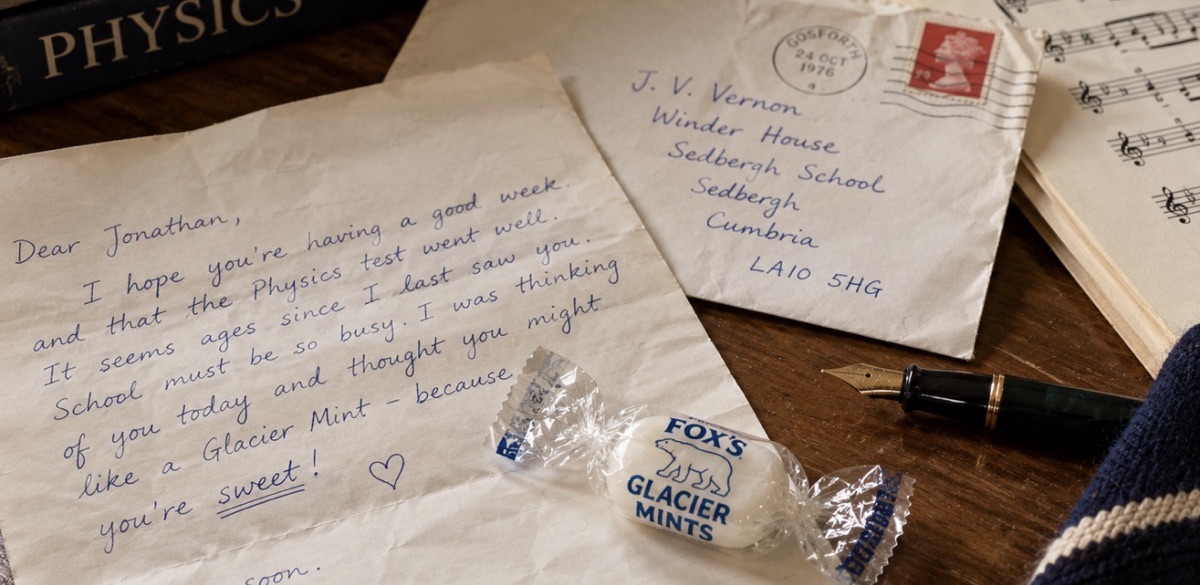
I have printed off three stories: Wishful Thinking, The Girl in the Garden, and The Watersprites. All double spaced onto good quality 90g paper so that I can edit — with a red pen, not the fountain pen I had imagined using, though I did buy some cartridges for a couple of old fountain pens (which I have used on pen and ink illustrations so no longer flow).
Jungian Reflections:
The image of writing by hand, particularly in ink and with a fountain pen, evokes a longing for ritual, permanence, and an embodied connection to thought. In Jungian terms, the fountain pen becomes a symbol of the conscious ego seeking dialogue with the deeper layers of the psyche — the unconscious material brought up through story.
The act of editing printed pages with red ink suggests a conscious revisiting of what has already been externalized (printed = made conscious), now being refined and judged by the ego. The red pen — often symbolic of correction or passion — may reflect a desire for precision, accountability, or even a kind of inner discipline.
The blocked flow of the fountain pen could symbolize a temporary frustration with creative instinct or emotional authenticity. These pens, once used for illustration, now refuse to cooperate with writing: the image suggests a tension between visual and verbal expression, between fluidity and rigidity.
That the dreamer seeks to return to manual tools and quality paper signals a movement toward groundedness and individuation — away from digital abstraction and toward sensory, tactile truth.
Questions for Active Imagination / Journaling:
What did the act of using a red pen (instead of the imagined fountain pen) feel like emotionally?
As if I am playing the role of one of my excellent teachers in Sixth Form, or I am role-playing a professional script editor or proofreader. It helps put me in the mindset.
What associations do you have with handwriting versus typing?
Free flowing, in the flow, randomly taking notes, completing a diary entry, writing lengthy letters to close friends, playing the ‘writer’ and sitting written exams where I could often be ‘in the flow’ academically.
Where in waking life do you feel the “flow” has been blocked creatively or emotionally?
It requires making the space and time, which is easier to do than I might imply. I can often spend hours at a desk, in a study, behind a keyboard, or talking into my phone. I miss having a laptop. I used to type on a Psion 20 years ago, something not much larger than a spectacle case – that was handy. From head to fingertips in trice.
If the fountain pen could speak, what would it say?
Play with me, make me dance, let me run, slide, slip, fall, tumble, spill ink, spill blood, make a mark, create memories, capture detail, make people cry, scream and turn the page.
How might returning to handwritten editing alter the content or tone of your stories?
There is no interruption, requested or prompted, from the many tools I have at my fingertips as soon as I go online, which include ChatGPT and Grammarly. It’s too easy to be lazy and let AI do the heavy lifting. Instead of teaching and allowing the pupil to make mistakes, there is a risk that AI will go into autopilot and write it all for me. As an artist, an art teacher should NEVER put their mark on the page. The same should apply to AI — support, guidance, mentorship and script editing, yes — but don’t write it for me. Help me develop my voice, rather than translating everything I do or suggest into predictable and safe text. I want to break rules, not abide by them. I like flow, not conformity.


Leave a Reply