
For all his verbosity and occasional pomposity, Bernard Levin and I share something fundamental: a humanist, atheistic conviction. Enthusiasms ends with a meditation on mystery, but for Levin — as for me — there is no supernatural authority behind the curtain.
“Whatever the absolute is, it is inside us. Whatever our lives are, we make them so. Whatever God bids us do, we bid ourselves. Whatever enlightenment we attain, we are our own light. Whatever revelations we experience, we do the revealing. Whatever voice whispers in our ear, it is our lips that form the words. Whatever lever moves the world, we are the fulcrum. Whatever kingdom of heaven there may be, it is within us.” pp 228/229
This humanist kernel is why I first warmed to Enthusiasms when I read it, urged on by my mother, back in 1984.
I first read Enthusiasms in 1984, newly out in paperback, on the urging of my late mother. She was certain that Bernard Levin represented the best of an educated middle-class taste: Shakespeare, opera, fine dining, long walks through European cities, and an appetite for the finer things. If one were to cultivate these enthusiasms, one would, in her eyes, be on the right path.
That summer I passed the book to my girlfriend, an accomplished flautist, while we were on holiday in the South West of France. I even sketched her as she read, utterly absorbed. I imagine she had reached the chapter on music and opera, where Levin’s ardour is at its most infectious.
The book is exactly what its title promises: a collection of essays on the subjects that lit Levin’s fire — books, pictures, cities, walking, Shakespeare, music, food and drink, and finally, in a surprising turn, the spiritual mystery that binds it all together. His style is exuberant, learned, and very much of its era: verbose, full of digression, and keen to show the breadth of his memory.
Levin’s title promises much. Enthusiasms suggests the broad, democratic blaze of passions that anyone might share. But what the book often provides are his own pet interests: the things he has collected, curated, or cultivated. These are less the spontaneous eruptions of joy implied by the word enthusiasm than they are memoir triggers: the childhood experiences that shaped his palate, the teachers who turned him to Shakespeare, the moments of revelation in opera houses or foreign streets.
There is pleasure in watching him unspool these passions, but they are not enthusiasms in the way most of us mean the word. They are not contagious joys, but rather exhibits in the cabinet of Bernard Levin’s cultivated self.
- He is often showing us his collections rather than sharing his enthusiasms.
- His enthusiasms aren’t ordinary joys (like pop music, film, or sport) but markers of a certain educated, middle-class identity.
- They can feel dated or pompous precisely because they’re framed as prescriptions rather than shared delights.
At the time, some of his enthusiasms rubbed off. I liked the idea of tearing pages from a cheap paperback as I read, a trick Levin swore by on trains and planes. I tried it. In practice the book disintegrated, leaving me with a fluttering mess of paper — more bother than liberation. I took to Shakespeare with fresh eyes, though, and (then, though not now) developed an interest in wine and fine dining.
Re-reading it now, forty years later, I find Levin harder to stomach. His learning can feel like showing off — entire passages of Shakespeare and poetry reeled off to prove not only that he knows them, but that he can summon them in print at will. What once felt like wit now feels pompous. His moral tone — virtuous, righteous — now seems less like guidance and more like a performance of certainty.
And yet, there is something to admire. Beneath the bluster lies a genuine belief in the importance of joy. Levin reminds us that to live fully is to seize on one’s passions without apology. His Shakespeare chapter still shines, because his love is unfeigned. His walking through cities, though framed in the patrician voice of the early 1980s, still captures something of what it is to wander with open eyes.
What dates the book is less the subjects — Shakespeare, music, food, cities have not lost their appeal — than the assumption that one man’s list of “the right enthusiasms” might serve as a map for everyone else. This was a very twentieth-century conceit: the overrated man of letters prescribing how the rest of us should cultivate our minds.
Looking back, I see my mother’s approval of Levin as an endorsement of a class identity as much as a literary one. To be seen with Levin’s enthusiasms was to be educated, aspirational, cultured. Re-reading it now, I realise I no longer need Levin’s enthusiasms to validate my own.
Still, the book holds personal value. It reminds me of my mother’s voice, of a French summer with a girlfriend immersed in its pages, and of my own younger self grappling with which enthusiasms to borrow, and which to leave behind. If Levin set out to celebrate passion itself, then he succeeded. But the passions I carry forward from it are my own, not his.
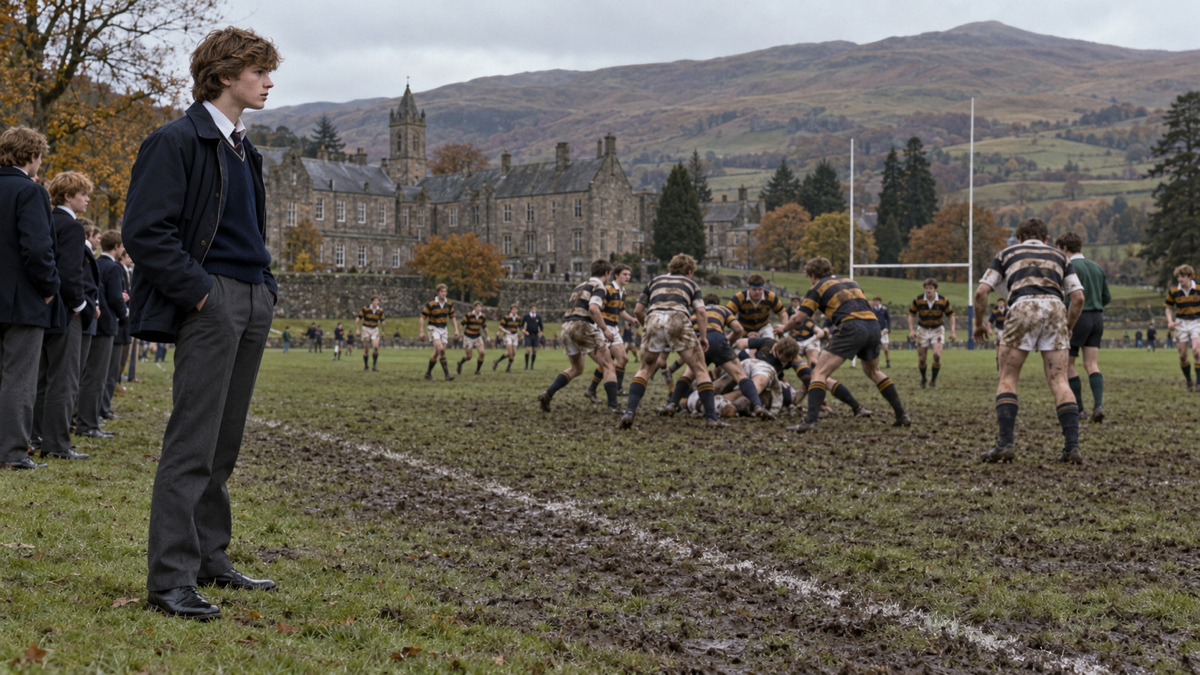
And what’s most striking are the silences. I can be broad-minded as I read, because I understand the boy who became this man. I too was at a boarding public school; I would have gravitated toward boys like Levin, though in my youth I’d have failed to defend them against the bullies. But the contrast between us is telling.
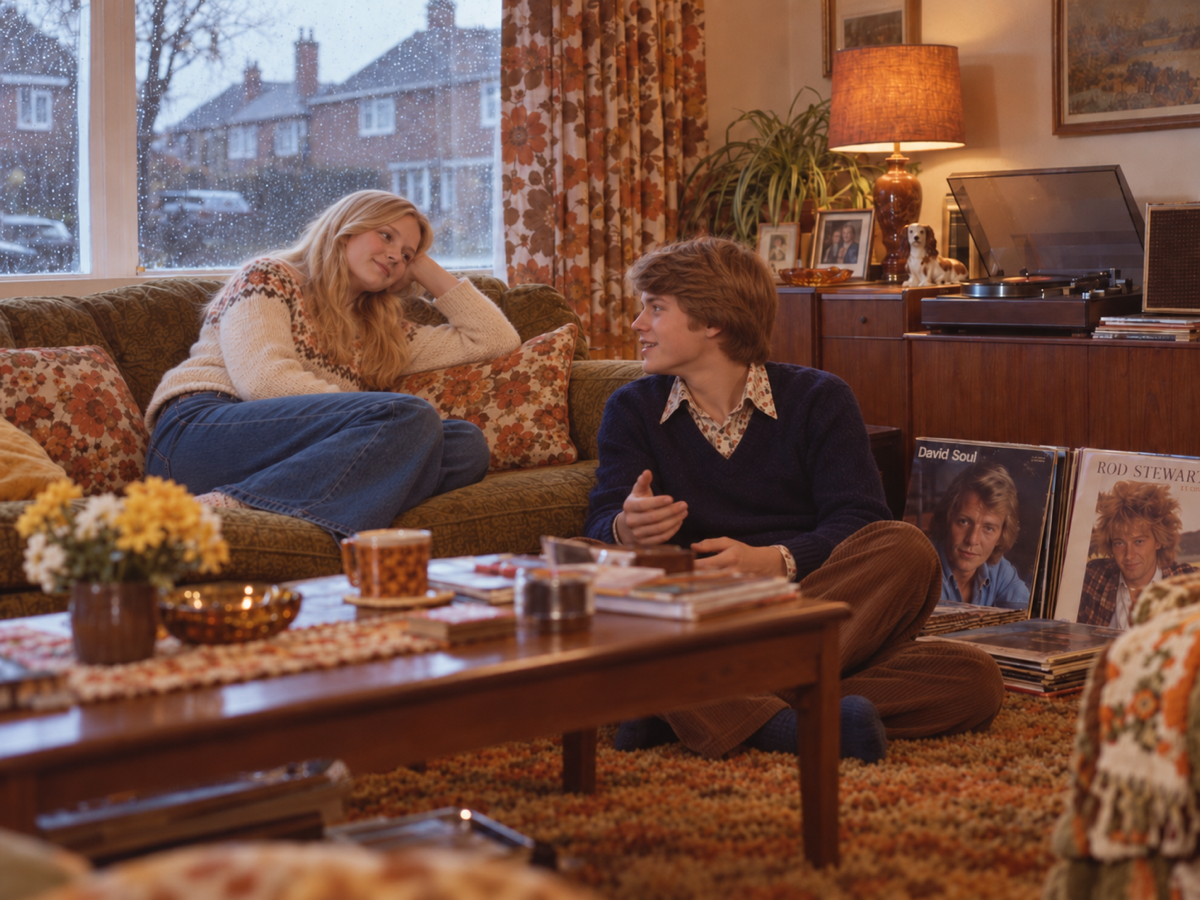
In Enthusiasms there is no space for girls, women, or sexuality of any kind. Was he so much the prodigy that sex simply didn’t qualify as an enthusiasm? Sport too is absent — one of Britain’s great communal passions, and not a trace of it here. And most surprisingly, no recognition at all of the revolution in popular music. The Beatles, the Stones, the sound of a century — none of it enters Levin’s world.
For all that, I do share something with him: a humanist conviction. Enthusiasms ends with a meditation on mystery, but Levin — like me — looks inward for answers. Whatever the absolute is, it is inside us. Whatever our lives are, we make them so. Whatever voice whispers in our ear, it is our lips that form the words. Whatever kingdom of heaven there may be, it is within us.
In the end, Levin’s enthusiasms are not mine. His world feels narrow, pompous, and very much of its time. But he did remind me that enthusiasm itself — whatever its object — is worth defending.

Leave a Reply