I think it’s all a matter of love …
Do you have a quote you live your life by or think of often?
“I think it is all a matter of love; the more you love a memory, the stronger and stranger it becomes.” Vladimir Nabokov

Nabokov is not talking about memory in general, but about a particular kind of memory. There is the intellectual sort—ordered, filed, written down—which can lose its charge once captured. And then there is the other kind: sensory, atmospheric, embodied. For him, the under-gardener arranging flowers, the coolness of a drawing room, the texture of a summer day (he was raised a Russian aristocrat at the beginning of the 20th century). That, he insists, is permanent. It can be used and reused—”farmed out”—without ever being diminished.
That is the version of the quote I recognise in my own writing and memoirs.
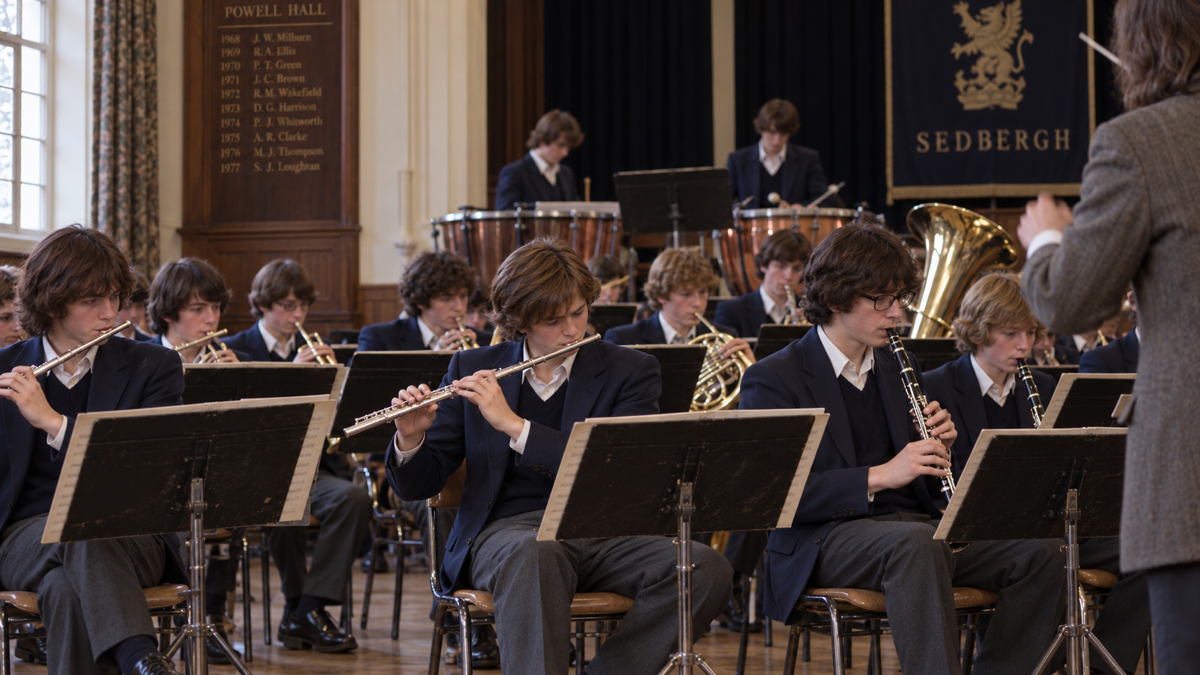
My diaries, especially from my boarding school, Sedbergh, are often little more than coordinates: lost 5–0, sunbathe behind the church, letters from the Gosforth girls. On the page, they risk becoming inert—intellectual memory. But when I return to them with any emotional charge, they open up. Not just affection, but curiosity, embarrassment, even mild dread. Nabokov calls it love; I would widen the term. You could just as easily say: the more you detest a memory, the stronger and stranger it becomes.
Both forces—love and discomfort—fix the memory in place. One expands it; the other compresses it. Either way, it becomes usable.
I can see this most clearly in the figures and places that recur.
My own “under-gardener” is my late maternal grandfather. His origins were humble—one of five sons of a head groom and chauffeur to a brewing and hotel baron—that his presence carries an entire vanished social world with it. He lived to 97, long enough for me to interview him at length. Whenever he appears in memory, he does not come alone; he brings with him class, labour, hierarchy, and endurance. A background figure, perhaps—but structurally essential.
And then there are the spaces. Nabokov’s “cool drawing room” finds its echo in the Great Hall at Appleby Castle, a bizarre curiosity of my youth, where my father lived for 18 years. There are deeply recessed bay windows facing east or north-east over the River Eden. Chairs are built into the stone. I would sit there with a book—revising, reading, writing my Diary—half concealed. The light was particular: indirect, cool, steady. The river moved below; beech leaves rustled; geese passed overhead. People crossed the hall without noticing me. That sense of detachment—of being present but unobserved—like an invisible ghost. I can step back into it at will.
What Nabokov gives me, crucially, is permission to reuse such moments.
Take something as slight as sunbathing behind the church. In the Diary, it becomes forensic—an attempt at accuracy, like a police report anchored to what I wrote at the time. In fiction, it loosens: I press my hand to a tombstone and find myself tumbling into the entombed person’s moment of burial, or death, or even birth—the imagination accelerating beyond the documented fact. As an image, these days, I might construct it through an AI prompt, composing light, shadow, and texture with a precision my younger self could only approximate in a drawing. The same memory, three treatments—and yet it does not wear out.
If anything, it deepens.
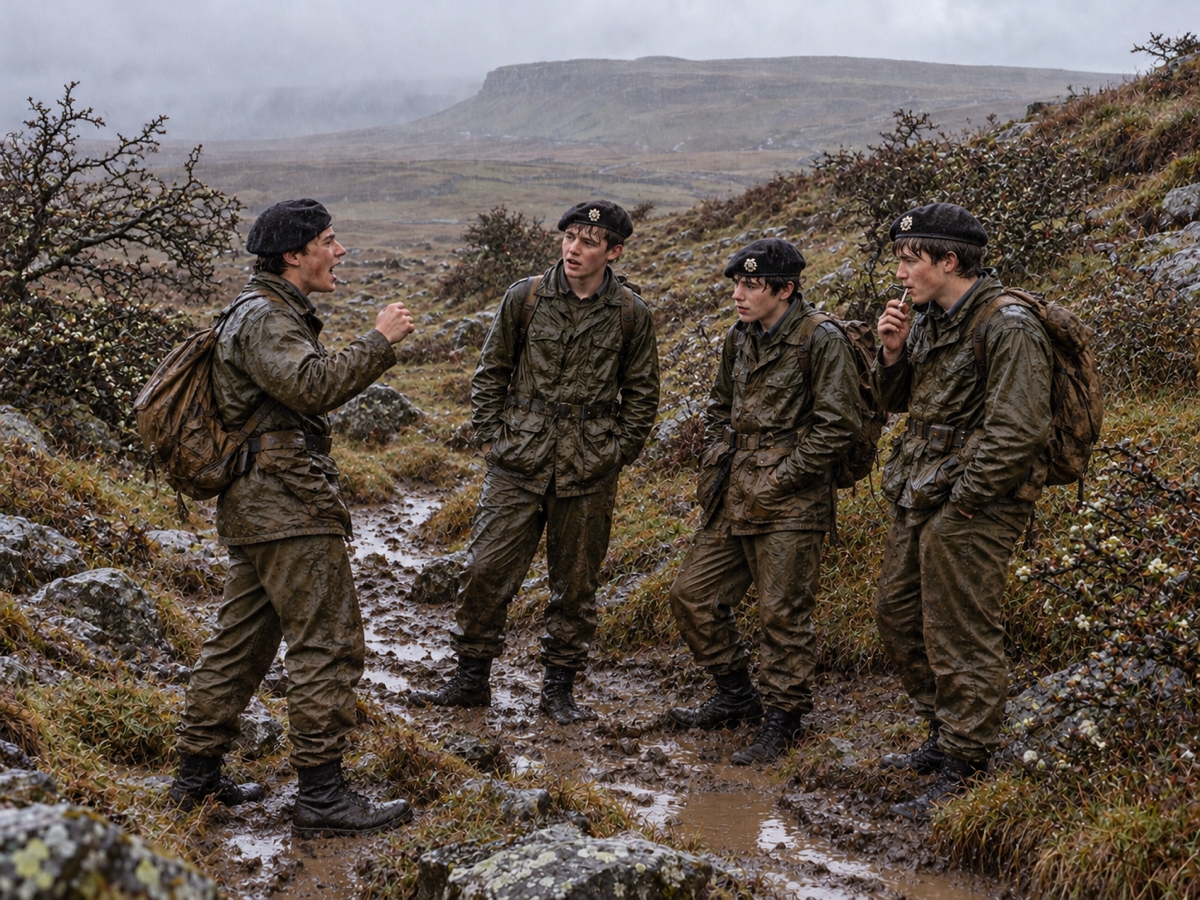
This applies equally to the memories I would not claim to love. I once derailed a workshop on learning and memory by recounting, off script, an incident from age eleven or twelve—an outing to Bolam Woods, Northumberland that ended in the acute embarrassment of having filled my trousers with diarrhoea. Not a cherished recollection. But it persists, vivid and indelible. Approached in Nabokov’s terms—not as something to resolve, but as permanent material—it becomes oddly generative. It has density. It anchors.
So I would amend his line slightly, not to contradict it but to complete it:
Memory strengthens under emotional charge. Love will do it. So will discomfort, embarrassment, and even dread. The essential thing is that the memory is felt.
As for his claim that childhood memories carry more vividness than later ones, I both recognise and resist it. There is certainly something neurologically privileged about early memory—the way certain sensory impressions lodge. But I am also, perhaps unusually, supported by an extensive apparatus: fifteen years of teen and young adult diaries, several years of daily online journaling, scrapbooks, photo archives, collections of drawings, and even letters written and received. Because of that, my sixteen-year-old Sedbergh self is not fading. If anything, he is becoming more vivid, precisely because I keep returning to him, working the material, “farming it out” across forms.
In the end, the quote I live by is not a line but a method – certain memories are places and people to be revisited. They will not diminish with use. On the contrary, the more you return to them—whether in affection or discomfort—the stronger and stranger they become.


Leave a Reply