
The dream: I am taking a squad of swimmers and have devised a drill that requires them to work together. Somehow, two swimmers, one on top of the other, holding a float and kicking with a third joining from beneath them. (It worked in the dream when the swimmers followed the instructions.
I have two swimmers who will not follow instructions, and the third, a younger swimmer, is struggling. I get so fed up that I dive in, break them up, and give them a dressing down.

Later, as I am leaving, I meet a parent and his son, the father and older brother of the younger swimmer. The father says the other two should be kicked out of the club. I agree and, in the first instance, I will give them a stern talking-to. It happens that father and son have ludicrously silly wigs and moustaches. I say nothing and resist laughing.
AI Prompt: Use the Jungian approach of spiralling and asking context-specific questions to help me elicit meaning from the following dream: Refer to the introduction to Jung’s ‘Man and his symbols’.
ChatGPT> the dream was approached as a personal communication from the unconscious whose meaning emerged gradually through repeated “spiralling” returns to the same imagery from different angles.
Several important insights emerged.
1. The dream was not fundamentally about swimming
Although rooted in real coaching experiences, the dream increasingly revealed itself as a metaphor for a broader creative and psychological struggle: how to organise and integrate multiple developmental stages, relationships, and storylines into a coherent narrative.
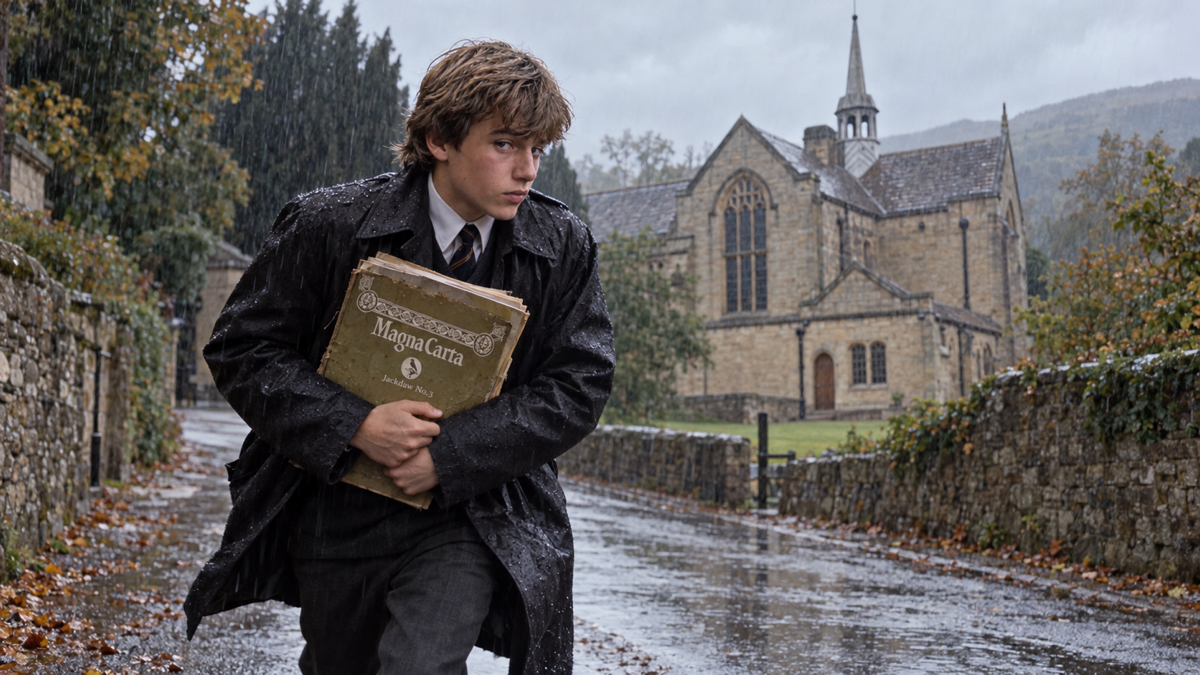
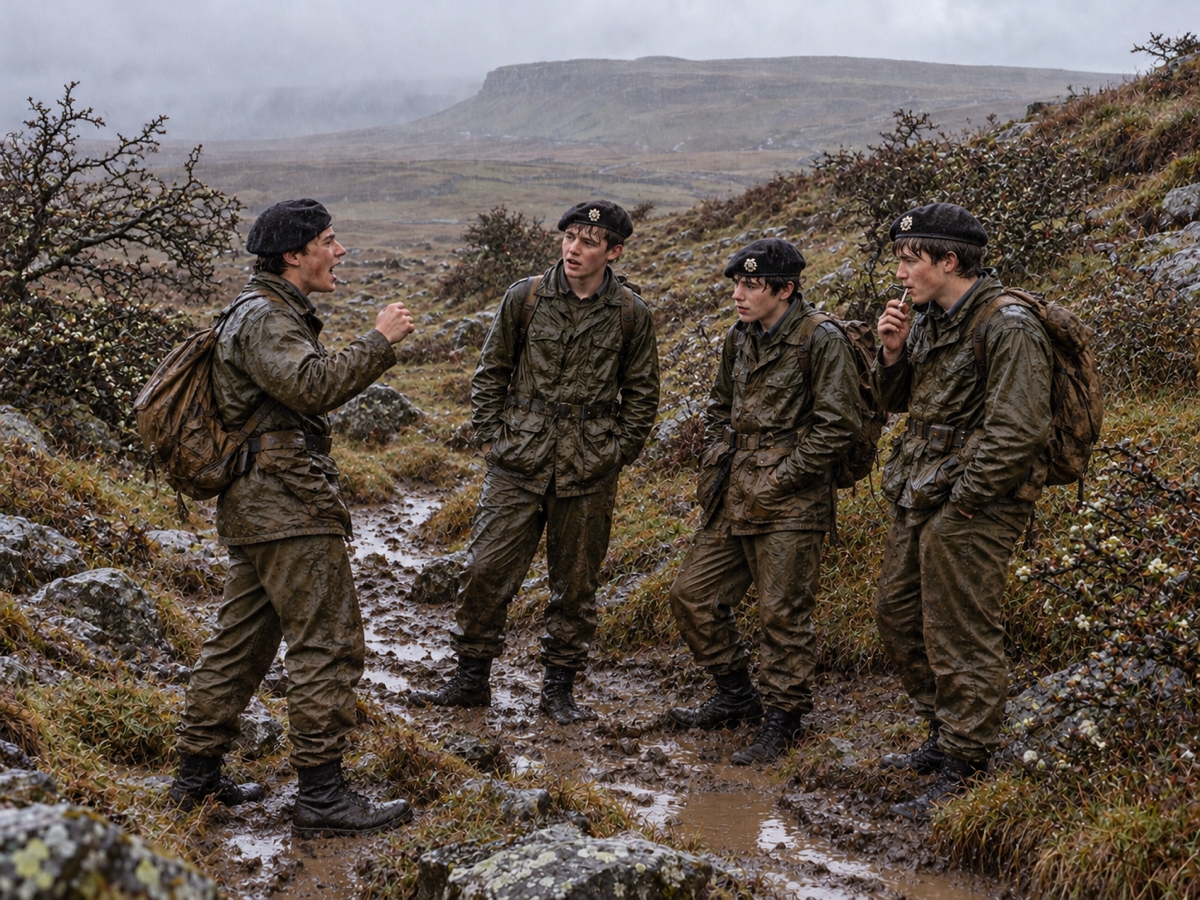
The swimmers evolved symbolically into three established fictional characters:
- Robbie,
- Kizzy or Cece
- And Suzie,
- and the layered developmental selves spread across multiple stories and time periods.
2. The central issue was not failure, but momentum
At first, the dream appeared to concern:
- confusion,
- frustration,
- and failed coordination.
However, through amplification and reflection, the deeper issue became clear: the swimmers lacked sufficient propulsion to sustain the complexity being asked of them.
This led to the crucial image of the tow rope or towing force. The analysis, therefore, shifted from:
“Have I created an overcomplicated tangle?”
to:
“What larger narrative force can carry these characters and timelines together?”
This became a major creative breakthrough, supported by ideas developed by neuroscientist Rachel Barr about how originality of thought occurs.
3. The dream distinguished the generation from the judgment
A repeated tension emerged between:
- experimentation and control,
- movement and evaluation,
- “the clown” and “the editor.”
The dream suggested that premature judgment may stall creativity before sufficient narrative momentum exists.
Rachel Barr talks of producing a “filthy draft” aligned closely with the dream’s movement: first generate propulsion, then refine form.
4. Time itself may be the true narrative current
A major development occurred when the water ceased to represent merely a swimming environment and began to resemble:
- time,
- memory,
- adolescence,
- retrospection,
- and life-process itself.
The analysis suggested that the deeper narrative momentum may arise not from artificial plot devices but from:
- memory,
- continuity,
- relational attachment,
- and the struggle against fragmentation across time.
5. The dream repeatedly resisted harsh judgment
The absurd wigs and moustaches initially appeared comic or ridiculous, yet the dreamer repeatedly resisted ridicule and simplistic condemnation.
Likewise:
- The swimmers were not blamed,
- The drill was not fraudulent,
- and expulsion was rejected as unjustified.
This revealed an underlying ethical position:
- Complexity deserves patience,
- Experimentation deserves tolerance,
- And apparent absurdity may conceal sincere effort.
6. The dream pointed toward vitality rather than despair
A final key insight concerned tone.
The dream and subsequent reflections suggested that the stories work best not when characters merely suffer within institutions, but when they:
- improvise,
- flirt,
- dream,
- experiment,
- create identities,
- and attempt to thrive within turbulent conditions.
This movement toward humour, affection, vitality, and resilience may itself constitute the “tow rope” that carries the larger narrative world forward.
Overall, the Jungian process did not “solve” the dream. Rather, it revealed an increasingly coherent network of associations linking coaching, creativity, narrative structure, memory, time, and identity. The spiralling method allowed the dream’s deeper organising themes to emerge gradually and organically rather than through imposed interpretation.


Leave a Reply