Becoming the Director of a Dream: How I’m Bringing The Watersprites to Life with AI

Over the last 24 hours, I’ve taken a significant—and slightly surreal—step forward in visualising my novella The Watersprites. Using Google’s Veo 3 AI video generation platform, I’ve begun producing short, atmospheric clips that bring the story’s central characters—Jason, Beth, Freya, and Hersch—to the screen in ways I’d previously only imagined.
But let’s be clear: this is no polished feature film. This is an iterative, experimental process like storyboarding a film scene by scene, but with the added joys (and occasional frustrations) of collaborating with a rather opinionated visual effects assistant—AI.
The Goal
I’m aiming to tell The Watersprites’ story across nineteen 8-second video clips, forming a visual sequence that tracks the journey of two mysterious, nature-bound children—Freya and Hersch—as they are discovered in the woods, adopted, and gradually integrated into the human world. But their transformation is not without consequence.
These aren’t storybook sprites. They are otherworldly, humanoid, water-born creatures—close to the skin of nature and distinctly not of our world.
What I’ve Been Experimenting With

So far, I’ve been focused on:
Blocking and movement – Getting Freya to enter, exit, pause, and react naturally within her forest habitat
Camera direction – Wide shots, tracking shots, close-ups, focus holds, tree wipes.
Environmental continuity – Matching colours, light, and framing across multiple prompts to build a coherent sequence
Character integrity – Keeping Freya and Hersch recognisable across scenes: no modernising, no beautifying, no accidental haircuts or wardrobe upgrades (AI has a habit of “helping” unless told not to…)
Key Learning Points
Consistency is everything.
Each new generation risks altering the character’s appearance. To combat this, I’ve started each prompt with detailed descriptions of Freya’s appearance and clothes. I also use a collection AI-generated images of the characters, which I place in different contexts via Adobe Express. (The ratio of failure to success with the initial creation of a character is about 9:1)
Reference images help—but can backfire.
Feeding a still into Veo 3 helps establish tone but can skew the aspect ratio or animate background elements by mistake (yes, she once walked on water). Where I placed a Freya behind elements by using several layers in Adobe Express, Veo 3 successfully has her navigate them.
The credit economy matters.
At 720p, I can get an 8-second clip; at 1080p, only 5 seconds. So, I’m using 720p for core scenes and saving 1080p for emotional close-ups or title-worthy shots.
Tree wipes are cinematic gold.
Placing a branch or tree in the foreground allows a natural scene transition. A while since I directed drama, I am quickly remembering the skills of producing a selection of shots that are readily suited to editing.
What I’ve Created So Far
- Freya walking along the pond’s edge, half-hidden by trees, her movement slow and instinctive
- A shoulder-close-up as she hears something, her face still, alert.
- Her sudden drop and vanish, triggered by a sound that doesn’t belong—perhaps a plane or motorbike.
- And a clip where she runs through the woods.
Each clip is 8 seconds (or 5 at 1080p). I’m gradually weaving them together to form a visual thread—a mood board film, almost, with more to come. Edited in iMovies.
Want to See?
I’ve uploaded some of the finished clips to YouTube and will be embedding them below and in future posts. These are early-stage outputs, but I’m thrilled by how cinematic they already feel.
What Comes Next
This is just the beginning. I’m currently working on:
- New scenes featuring Hersch in motion
- Sequences of Jason and Beth guiding the children out of the forest
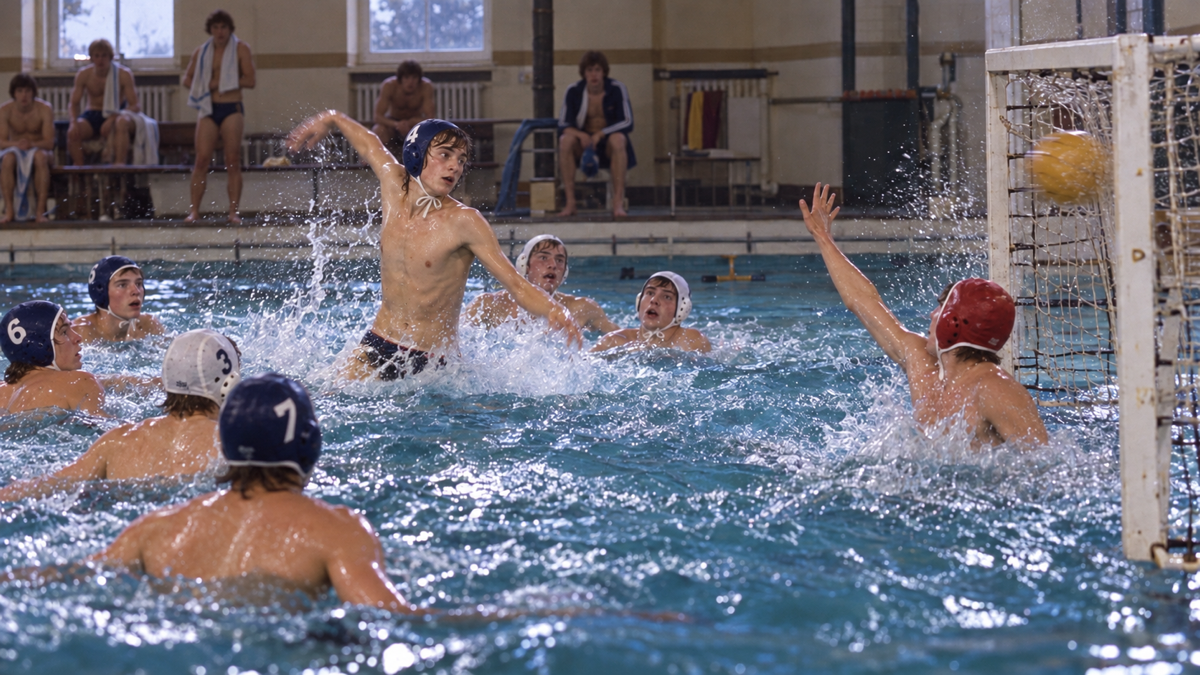
- Water scenes, swimming club sequences, and the first hints of Freya’s transformation
This is filmmaking at arm’s reach, built with language, still images, and a lot of AI trial-and-error. And it’s only going to get richer from here. I’ve sourced a variety of sound and music tracks; it just awaits my decision to subscribe to one platform or another.
I’d Love Your Thoughts
What do you make of this hybrid storytelling process?
Have you experimented with AI video generation yourself? Would you like to see The Watersprites unfold as a microfilm, a gallery, or a graphic novella?
Leave a comment, or reach out via the contact page. I’d love to hear what you think.
Stay tuned—and thank you for watching this strange and beautiful journey take shape.

Leave a Reply