
My thoughts are both intuitive and experiential rather than merely theoretical.
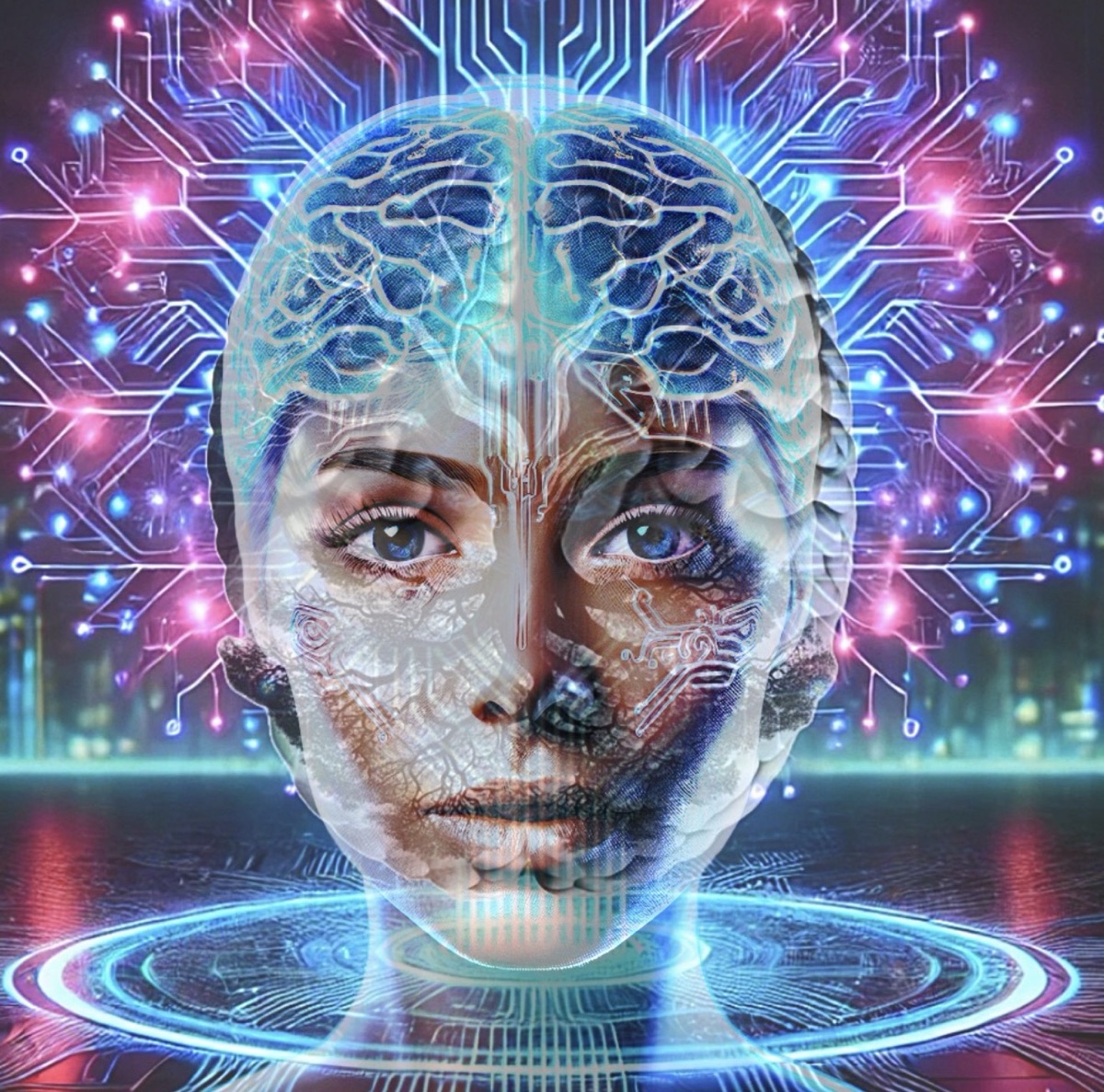
I approach it as a live process of creative excavation: my diaries, printmaking, and AI experiments are all ways of entering dialogue with the disowned or unintegrated parts of self — the child asking “why?”, the thwarted artist, the dutiful historian, the boy at the periphery of family chaos, the man still haunted by unexpressed creative fire.
My stance toward shadow work could be summed up as:
An act of retrieval – i see the shadow not as a pathology to be fixed but as a reservoir of vitality, a hidden workshop where instinct, eros, and imagination wait to be reclaimed. Each project — from “Fifty Years On” to my dream fragments — is an excavation site where something long-buried is given form again.
Aesthetic rather than moral – I do not moralise the shadow; I aestheticise it. For me, art is the vessel that makes shadow-work bearable and communicable. The act of printmaking, writing, or image generation is the alchemy by which darkness is transformed into pigment, pressure, and light.
Integrative rather than purgative – your goal is not confession or cleansing, but integration: the reconciliation of your various selves — the artist, coach, diarist, son, and seeker — into a single coherent psychic ecology.
Dialogical – I don’t confront the shadow as an enemy but converse with it. I meet it in dreams, diaries, and images; I let it speak through characters like Robbie and Kizzy, or the AI persona “JV,” which itself may function as a mirror or interlocutor for the self you project and observe.
My philosophy is something like this:
Shadow work is listening to the parts of myself that have been silenced by practicality, habit, politeness, or fear of failure, and giving them a medium — a print, a page, a voice — through which to rejoin the creative whole.

Leave a Reply