What does freedom mean to you?

Freedom, to me, has rarely meant absolute liberty. My teenage diaries suggest something more nuanced and more urgent: freedom as the ability to escape systems that tried to define me before I understood myself.
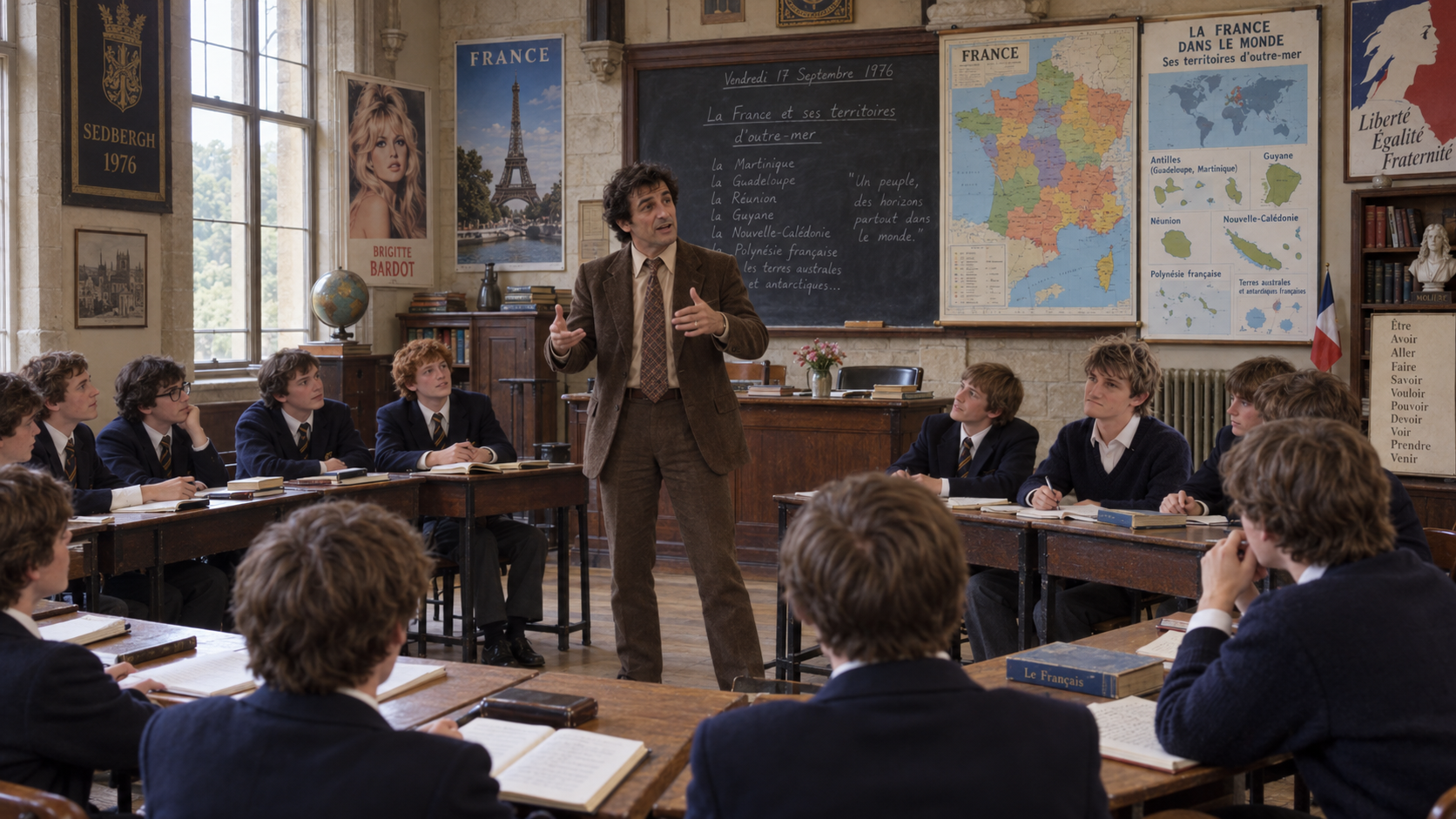
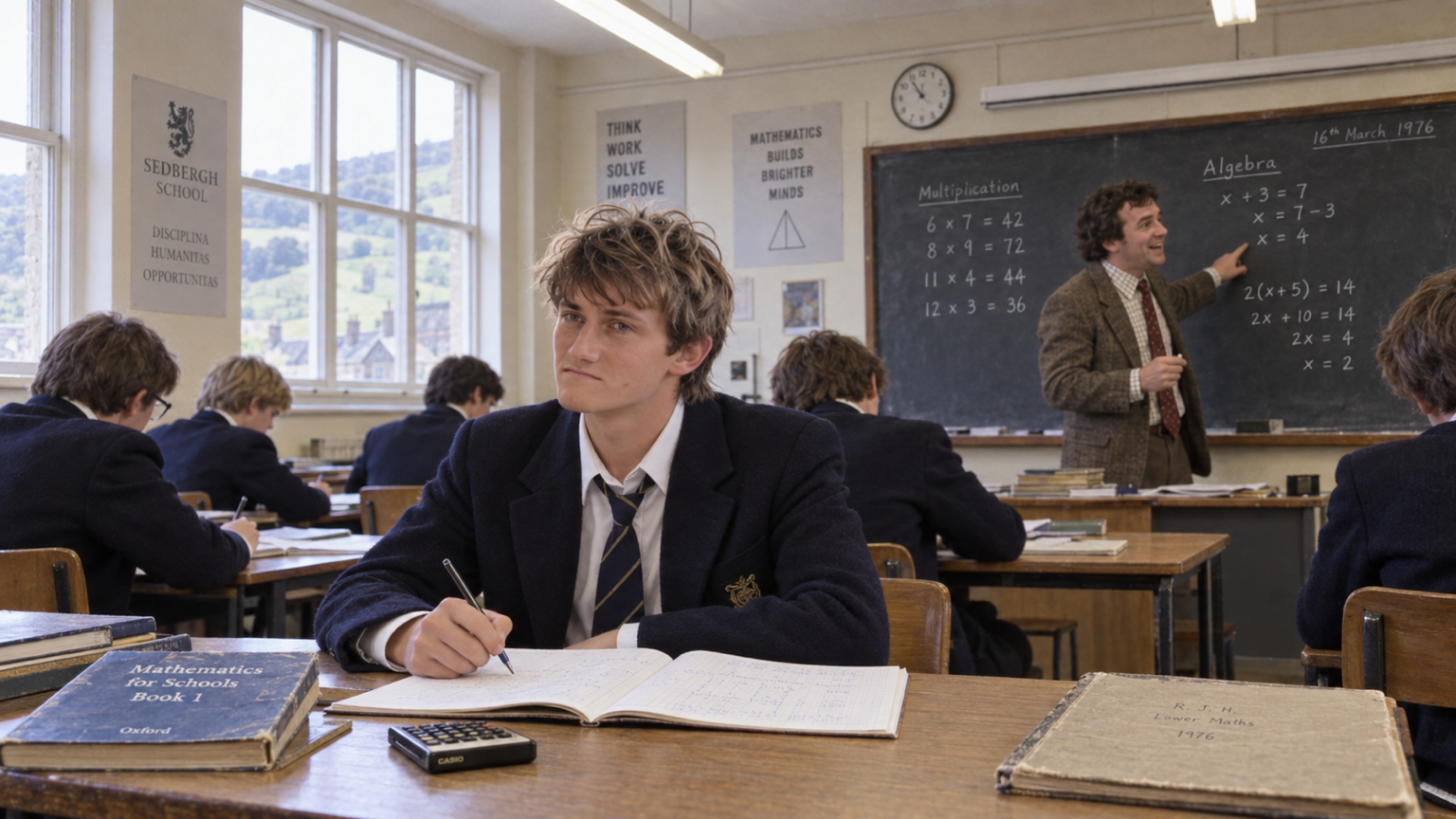
At fourteen and fifteen, much of my life was externally controlled. Boarding school dictated when I woke, ate, exercised, worked, washed and slept. Bells rang all day long. Uniforms erased individuality. Games were compulsory. Chapel was compulsory. Even leisure had structure. Reading back through my diaries fifty years later, I can see how often I recorded small acts of bids for freedom as if they mattered enormously: “got to town”, “walked alone”, “worked outside in the sun”, “escape plan”, “went for a swim”, “lay by the beck”, “drew the school block from cricket square”. The details sound trivial, but emotionally, they were not. They were fragments of self-direction.
Again and again, freedom appears in the diaries as space:
space to walk, space to think, space to daydream, space to wander into town, space to meet girls, space to choose what to read, space to imagine who I might become.
I see now that my fascination with tennis, swimming, hiking, drawing and writing was partly about autonomy. On a tennis court or in a swimming lane, results were immediate and personal. Unlike school reports or institutional judgment, performance felt connected to effort, instinct and flow. The body could express something the school system often suppressed.
The diaries also reveal another aspect of freedom: the freedom to construct identity. At sixteen, I experimented constantly — haircuts, music, clothing, politics, flirtations, intellectual postures, artistic ambitions. Punk interested me not simply as fashion but as a symbolic refusal. Even the smallest gestures — non-regulation boots, radical haircuts, listening to different music — carried emotional weight in an environment built around conformity and tradition.
Yet beneath all this was a deeper tension. I increasingly sensed that many important life decisions had already been made for me by class, expectation and family culture. Boarding school itself was presented as inevitable: “what people like us did.” Careers seemed similarly pre-scripted. Reading the diaries now, I can detect an emerging determination to resist inherited pathways. Freedom gradually came to mean the right to invent my own life rather than inherit one.
That desire shaped much of what followed. My eventual career path was unconventional and often improvised: filmmaking, communications, education, coaching, writing, environmental work, and public service. I have repeatedly chosen breadth over security and reinvention over status. Even now, my creative work revisiting these diaries is another attempt to reclaim authorship of my own story.
Politics emerged from this understanding of freedom. Not freedom as selfish individualism, but freedom as participation, fairness and voice. My engagement in local politics and community life comes partly from recognising how systems shape people — especially children and young people — often without their consent. Real freedom requires opportunity, education, safety, access to nature, creative expression and the ability to belong without surrendering individuality.
Looking back over fifty years, I think the teenage boy in those diaries was searching for moments when he could briefly step outside surveillance, expectation, and hierarchy and hear his own thoughts clearly. Freedom was rarely dramatic. More often, it was found in walking alone across the fells, sketching beside a stream, swimming in the water, writing late at night, or imagining an entirely different future.
But there is an irony here.
One of my favourite expressions is: “Freedom means lack of choice.”
At first glance, it sounds absurd, even contradictory. Surely freedom means more choice, not less? Yet the older I get, the more I think there is something true to the phrase.
Too many options can leave us anxious, restless or unable to commit ourselves fully to anything. We fear closing doors. We keep alternatives alive. We become overwhelmed not by oppression, but by possibility.
As a teenager, I longed to escape structure, yet I now realise that much of my happiness came from the freedoms within structure. Take writing in a five-year Diary with its tiny allotted space for each day. A couple of years I let my entries burst across the page – the reality is that I completed my first Five Year Diary in four years, and the second in three as my thoughts burst the banks set by the page. This got out of hand when I moved to refill A-4 pads of paper and, in one month, filled an arch-lever file with one month’s worth. I retired to a hardback A4 notebook and confined myself to a page per day. Only in this way could I manage fifteen years of keeping a Diary. Parameters have a purpose.
Perhaps that is why I have gravitated throughout life towards things that combine discipline and freedom: filmmaking, writing, swimming coaching, tree surveying, public service, and creative projects.
Each offers room for imagination, but also form, purpose and direction.
Looking back, I think the teenage boy in those diaries was not really searching for unlimited freedom at all. He was searching for moments where he could hear himself think clearly. Moments away from noise, expectation and surveillance. Moments where life briefly felt self-directed rather than prescribed.
I still recognise that impulse.
So perhaps freedom is not the ability to do absolutely anything. Perhaps it is the ability to commit yourself meaningfully to a few things that matter enough for the rest of the noise to fall away.


Leave a Reply